

RSI Study Summary
Why was this study done?
Each year millions of seriously ill adults need life-saving treatment with a breathing machine. To safely place someone on a breathing machine (a procedure known as “intubation”), doctors give a drug to make the patient sleepy (known as a “sedative”).
The two “sedative” drugs given most often to seriously ill patients receiving a breathing tube in the United States are ketamine and etomidate. Both drugs are approved by the United States Food and Drug Administration (FDA).
Both are considered safe and effective. Both are given by doctors all the time. But it is not known which drug is best.
What is intubation and why do some patients need it?
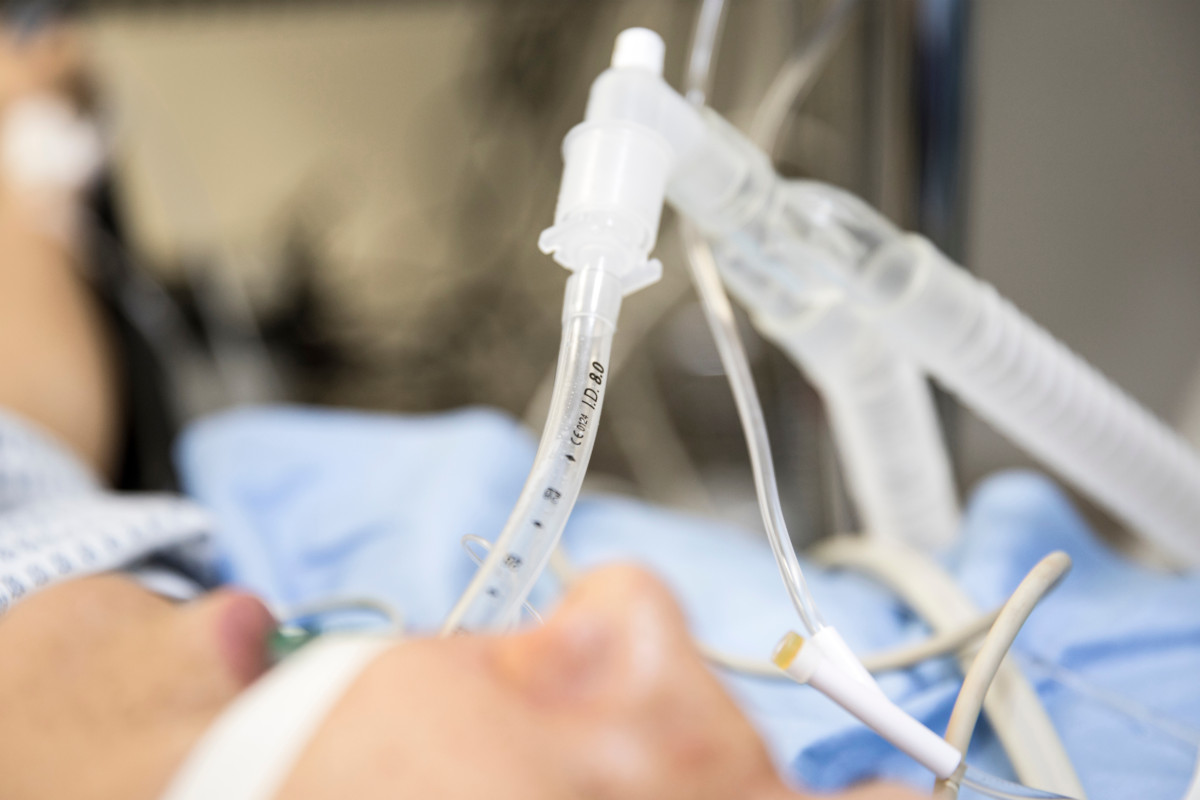
Intubation means inserting a tube into a person’s windpipe so they can breathe with the help of a
machine called a ventilator. It’s done when patients are too sick to breathe well on their own — for example, during sepsis, pneumonia, heart failure, or after cardiac arrest.
Because it’s uncomfortable, patients are given a sedative to make them unconscious and prevent pain while the breathing tube is being placed.
What Drugs Were the Focus of the Study?
What Is Ketamine?
Ketamine is a drug that caus es a patient to feel very drowsy, blocking pain and making patients unaware of what’s happening. It’s sometimes used in emergency rooms because it can help keep blood pressure stable and doesn’t affect hormone production.
What Is Etomidate?
Etomidate is a drug used to make people unconscious before procedures like intubation. It usually doesn’t lower blood pressure much, which is good for sick patients. However, it can temporarily reduce the body’s ability to make cortisol, a hormone that helps the body handle stress — raising concerns it might increase the risk of death.
What Researchers Wanted to Know?
Does using ketamine instead of Etomidate for intubation in critically ill adults lower the chance of
dying in the hospital?
What Were the Demographics of the Study Participants
Baseline Characteristics of the Patients at the time of intubation
Age, years – median
Ketamine
60
Etomidate
60
Percentage of Patients in this Study
Female sex – %
Ketamine
42.3%
Etomidate
41.4%
Race/ethnic group – %
Non-Hispanic White
Ketamine
58.3%
Etomidate
59.4%
Non-Hispanic Black
Ketamine
25.8%
Etomidate
24.1%
Hispanic
Ketamine
11.1%
Etomidate
11.1%
Other
Ketamine
5.1%
Etomidate
5.4%
Baseline Characteristics of the Patients at the time of intubation
| Characteristic | Ketamine (N=1,176 Patients) | Etomidate (N=1,189 Patients) |
| Age, years – median | 60 | 60 |
Percentage of patients in the study
| Female sex – % | 42.3% | 41.4% |
Race/ethnic group – %
| Non-Hispanic White | 58.3% | 59.4% |
| Non-Hispanic Black | 25.5% | 24.1% |
| Hispanic | 11.1% | 11.1% |
| Other | 5.1% | 5.4% |
What Happened During the Study?
Researchers compared the two drugs in more than 2,300 critically ill adults who needed emergency intubation in emergency departments (EDs) or intensive care units (ICUs).
Half of the patients received ketamine and half received etomidate. Researchers follow patients for 28 days to see who survived and who had complications.
How Was the Study Done?
This was a randomized clinical trial, meaning patients were randomly assigned to get one of the two drugs, ensuring fair comparison. Doctors recorded patients’ blood pressure, heart rhythm, and need for medicines to support blood pressure during and right after intubation
Where Did the Study Take Place?
At 14 emergency departments and intensive care units in six major U.S. hospitals, including Denver Health, Hennepin Healthcare, University of Alabama at Birmingham, University of Colorado Hospital, Vanderbilt Health and Wake Forest Atrium Health.
Who Participated in the Study?
2,365 critically ill adults (average age 60)
- 47% had sepsis or septic shock
- 22% on medicines to increase blood pressure (vasopressors)
- About half were intubated in the ED and half in the ICU
How Long Did the Study Last?
Each patient was followed for 28 days after intubation, and the full study ran for about 3 years.
What Were the Results of the Study?
The study medicines did not affect whether patients survived or died from their critical illness. Ketamine caused patients to have lower blood pressuring during intubation.
Deaths by 28 days:
- Ketamine group: 28.1%
- Etomidate group: 29.1%
Heart and blood pressure problems during intubation:
- Ketamine group: 22.1%
- Etomidate group: 17.0%
The sedative etomidate is safe to use and, compared with ketamine, significantly decreases the risk of dangerously low blood pressure for critically ill patients undergoing intubation.
- No significant difference in survival.
Participating Sites



The RSI Study is a Patient-Powered Study. Guidance from patients helped to improve the patient-centeredness of the study outcomes, accessibility of study documents and the dissemination of study findings to a wider audience. Patient Partners with lived experience serve on the Study Steering Committee in a leadership capacity.
Want To Learn More About Critical Care Trials?
PCCRG is a network of doctors, nurses, respiratory therapists, researchers, and patient partners across the United States dedicated to improving outcomes for critically ill patients. PCCRG performed randomized trials to compare treatments that patients are receiving in clinical care and understand which treatments produce the best patient outcomes.
Where Can I Learn More About This Study?
ClinicalTrials.gov Identifier: NCT05277896
Contact: Dr. Jonathan D. Casey, Vanderbilt Health (jonathan.d.casey@vumc.org)
Funding: Patient-Centered Outcomes Research Institute (PCORI) and the National Heart, Lung, and Blood Institute
Patient Partners

Eileen Rubin
Co-founder of the ARDS Foundation, has served as President and CEO for over two decades. An attorney by profession, Ms. Rubin experienced a life-altering diagnosis in her early 30’s that resulted in a lengthy ICU stay and long road to recovery. Today, she is a well- known advocate for patients and their families serving in a variety of roles to help educate medical professionals and to improve and inform research. Ms. Rubin stresses, “Including the patient and family perspective is critical in medical research to ensure studies are designed from beginning to end with the patient in mind and with objectives focused on concerns, issues and endpoints of importance not only to advance medical research but also to include priorities of patients.” She has served in an advisory capacity for numerous organizations including the American College of Chest Physicians, the Society of Critical Care Medicine and the American Thoracic Society. She was also the lead investigator for a PCORI Pipeline to Proposal Award. Ms. Rubin is a Patient Stakeholder for the RSI Trial.
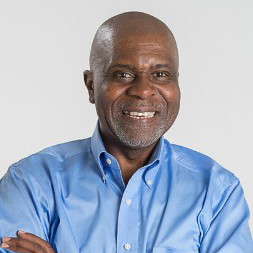
Sherman Transou
was an active business owner but in 2015 his life was changed when he learned that a virus was attacking his heart. Five months later he joined the growing community of transplant recipients and has embraced this opportunity to inspire and educate others in his community. In addition to serving on the Board of Directors for HonorBridge, he is an active advocate and leadership coach. Mr. Transou uses his experience to help research teams effectively connect with patients and their families. Mr. Transou is the Patient Stakeholder for Atrium Health Wake Forest Baptist.
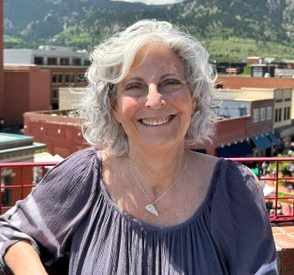
Barbara Gould
is a COVID intubation and liver transplant survivor and has personalexperience with post ICU syndrome and PTSD. As a retired social worker, Ms. Gouldunderstands the importance of patients’ physical and mental health and has used herexperience to platform the needs of patients and families. She shared, “I strongly believethat medical research saves lives and that patient representation in that process isessential.” Ms. Gould has spoken with the media about her hospitalization with COVID to raise awareness. She currently serves as the Patient Investigator for the University of Colorado Anschutz and the University of Colorado Denver.
Patrick Luther
brings a wealth of knowledge to the RSI team as someone who has experience in advising the research enterprise at large, clinical trials in particular, and as a critical care survivor and former paramedic. Professionally, he works in nonprofit public health spaces developing and managing programs and community engaged research projects that address the needs of our most vulnerable while building their agency to take their place within research to change and improve it. His experiences provide insight into patient communication and troubleshooting for trial implementation. Mr. Luther is the Patient Stakeholder for Vanderbilt Health.

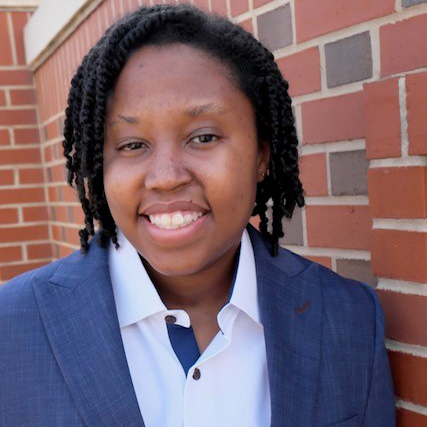
Jasmine McIntosh
is a young adult cancer survivor who is an active advocate in the community. She is passionate about health inequities and supports research that is working to improve outcomes for all patients. Her background in systems and technology is an asset to the RSI Trial. “I believe clinical trial research is important because for me personally, as a two-time cancer survivor with a rare gene, research has allowed me to be on the receiving end of innovative care. I am grateful for that access as not everyone has that same opportunity. Research helps to make it more accessible and to continue the work toward health equity.” Ms. McIntosh is the Patient Stakeholder for the University of Alabama, Birmingham.
Aida Strom
has served as an advocate in the American Indian community for over 19 years. She has spent her career building strong connections between the community, tribal government entities, hospital, and patients and their families. In addition to working with patients and researchers, she has extensive expertise in working with individuals and communities suffering from PTSD and has worked closely with numerous community organizations including the Minnesota Indian Women’s Sexual Assault Coalition. Ms. Strom’s broad experience with underrepresented communities and specific expertise advocating for them is an incredible asset to the RSI team. Ms. Strom serves as the Patient Stakeholder for the University of Minnesota Hennepin.
We want to know what you think about the RSI Trial
We want feedback from the community about research like this. Please share your opinions at: https://redcap.link/rsitrial
If you do not wish to participate in this study
If you do not want to participate in this research study should you become severely ill and need treatment with a breathing machine, contact us at Jonathan.D.Casey@vumc.org or 615-208-6139. We will send you a bracelet you can wear that will inform your medical team of your decision even if you are unconscious.
This work is supported through a Patient-Centered Outcomes Research Institute (PCORI) Project Program Award (BPS-2022C3-30021)