



RSI Trial
To support seriously ill patients with a breathing machine, doctors must place a breathing tube. Before intubation, doctors give a medicine to make patients unconscious, most commonly ketamine or etomidate. Whether ketamine improves survival compared with etomidate was not known. The RSI trial compared ketamine with etomidate in 2,365 patients across 14 emergency departments and ICUs in the United States. The study showed similar survival with both drugs, but ketamine was associated with more cardiovascular collapse during intubation
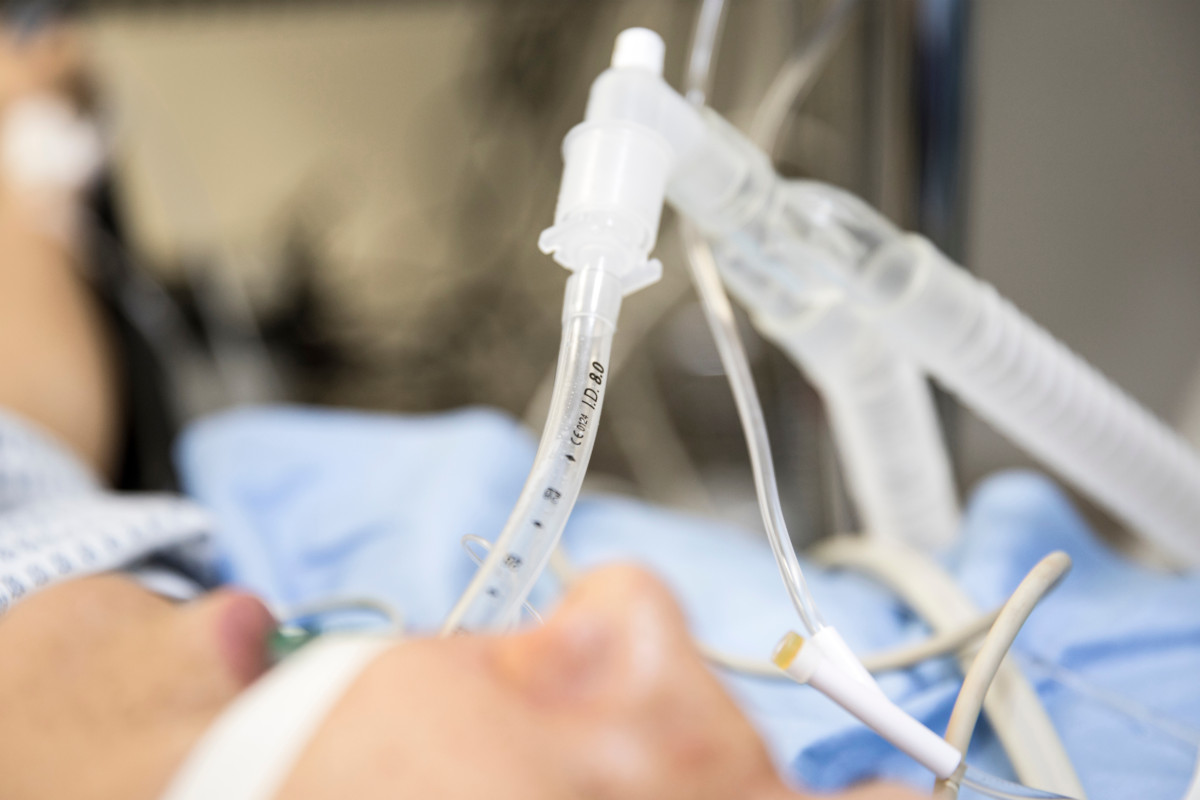
When critically ill patients need a breathing machine, a breathing tube is placed through the mouth and into the windpipe. Before placing the breathing tube, doctors give a medication to induce unconsciousness. In the United States, ketamine and etomidate are the two most commonly used medications for this purpose, but prior studies raised concern that etomidate might worsen outcomes. The RSI trial evaluated whether using ketamine instead of etomidate improves survival or reduces complications during emergency tracheal intubation.
Importance
Among critically ill adults undergoing tracheal intubation, complications during the procedure—including severe low blood pressure and cardiac arrest—can lead to organ injury and death. Before the RSI Trial, it was uncertain whether choosing ketamine rather than etomidate reduces mortality for critically ill adults undergoing emergency intubation.
Objective
To determine the effect of ketamine compared with etomidate for induction of anesthesia on in-hospital death by day 28 among critically ill adults undergoing tracheal intubation in emergency departments and intensive care units.
Interventions
In a randomized trial conducted in 14 emergency departments and ICUs in the United States, critically ill adults undergoing tracheal intubation were randomly assigned to receive ketamine or etomidate for induction of anesthesia. The primary outcome was in-hospital death from any cause by day 28. The secondary outcome was cardiovascular collapse during intubation, defined as systolic blood pressure <65 mm Hg, receipt of a new or increased dose of vasopressors, or cardiac arrest.
Results
Among 2,365 patients included in the trial population, 28-day in-hospital mortality occurred in 330 of 1,173 (28.1%) in the ketamine group and 345 of 1,186 (29.1%) in the etomidate group (adjusted risk difference, –0.8 percentage points; 95% CI, –4.5 to 2.9; P = 0.65). Cardiovascular collapse during intubation occurred in 260 of 1,176 (22.1%) in the ketamine group and 202 of 1,189 (17.0%) in the etomidate group (risk difference, 5.1 percentage points; 95% CI, 1.9 to 8.3). Prespecified safety outcomes were similar in the two groups.
Conclusions and Relevance
Among critically ill adults undergoing tracheal intubation, induction with ketamine did not result in a lower incidence of death by day 28 compared with etomidate, and was associated with a higher incidence of cardiovascular collapse during intubation.
Title: RSI Trial
Manuscript Title: Ketamine or Etomidate for Tracheal Intubation of Critically Ill Adults
Publication: New England Journal of Medicine
PubMed ID: 41369227
Date: Apr 2026