




What We Need To Learn
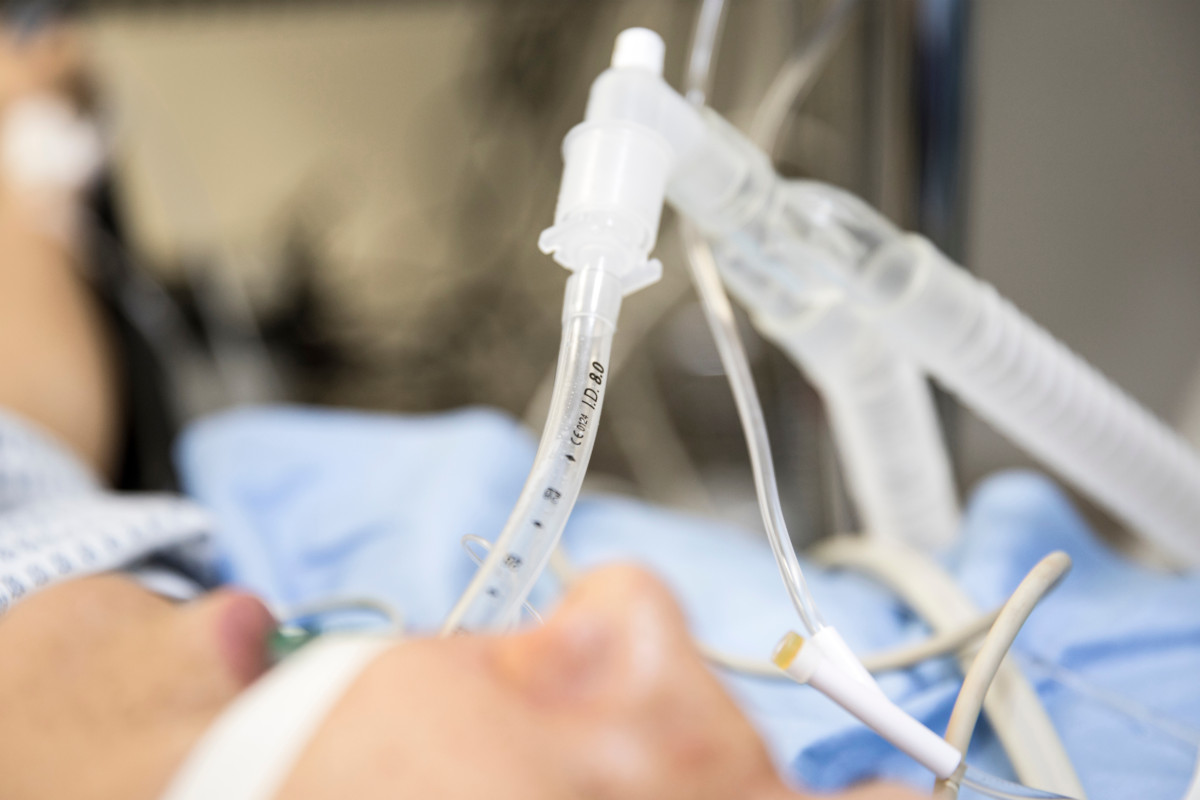
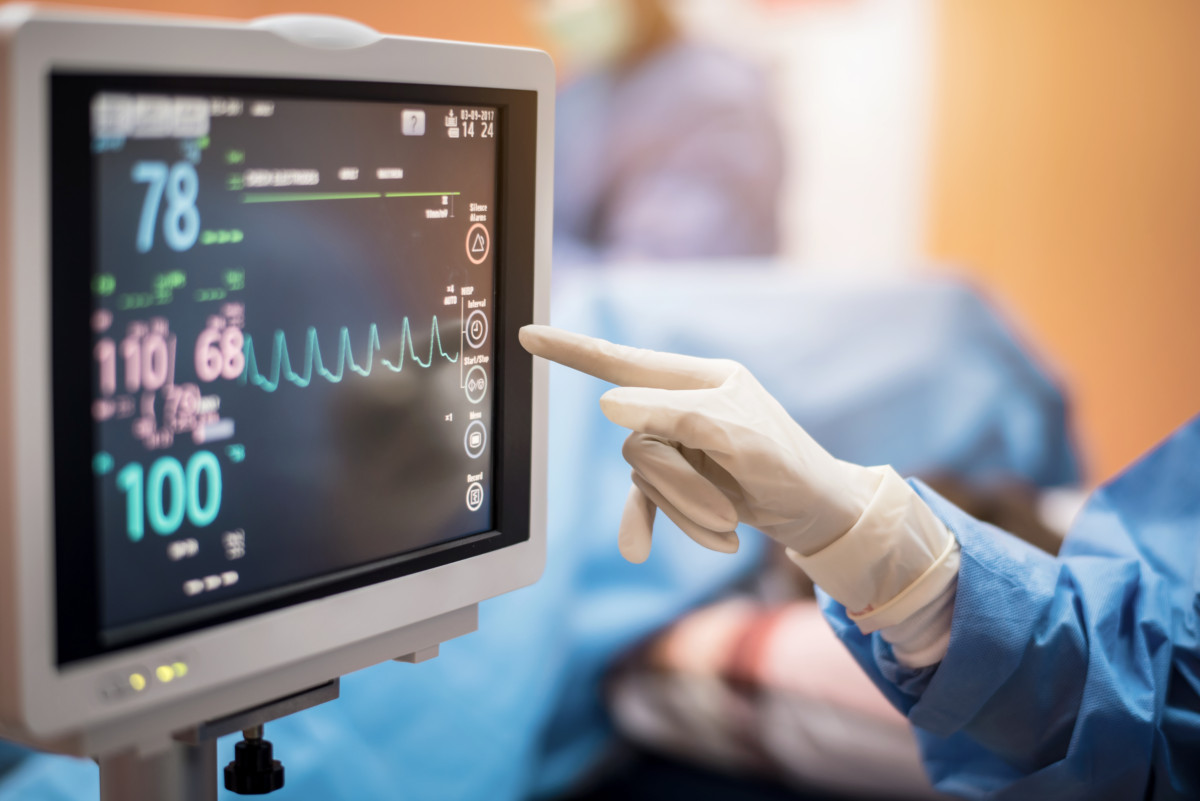
Each year, millions of people in the U.S. become critically ill and requiresupport from a breathing machine (invasive mechanical ventilation). About 25-35% of critically ill adults on a breathing machine die in the hospital. For all patients on a breathing machine, clinicians adjust the amount of oxygen patients breathe in to keep the patients’ oxygen levels (SpO2) in a safe range. Higher oxygen targets (96-100%) can protect against low oxygen levels in the blood but could cause damage from too much oxygen. Lower targets (88-92%) may prevent the risks of too much oxygen but could increase the chance of damage from too little oxygen. Recent studies, including one at Vanderbilt, showed no overall difference in outcomes between higher and lower oxygen targets for patients on a breathing machine. However, the best approach to oxygen therapy may depend on a patient’s unique characteristics, like age or medical condition. Researchers are Vanderbilt created a model using data from 24 patient characteristics that predicts which oxygen level will result in the best outcomes for each individual patient. Early tests suggest that using such a “personalized oxygen target” could save lives, but a trial is needed to confirm this. The EXPRESS trial will examine the use of a “personalized oxygen target”. If a “personalized oxygen target” is proven to improve patient outcomes, it could help millions of patients worldwide.
What We Are Doing
This research study is called Examination of PeRsonalizEd SpO2 TargetS (EXPRESS). It is being conducted in the medical intensive care unit (ICU) at Vanderbilt. The goal of the study is to learn whether using a “personalized oxygen target” based on each patient’s unique characteristics can improve survival compared to the clinicians managing oxygen therapy as they would in care today outside of research.
Participating in this study will not impact the quality of care patients receive. For each patient:
- When doctors determine a specific oxygen target is needed for a patient’s care, the patient will not take part in the study, and the doctors will use the oxygen target they believe is best.
- When doctors determine that either a “personalized oxygen target” or clinicians managing oxygen therapy as they would in care today outside of research would be equally safe and effective, the patient will be enrolled in the EXPRESS study. The EXPRESS study will randomly choose if the patient is in the personalized oxygen target group or the group in which clinicians manage oxygen therapy as they would in care today outside of research.
- If, at any time, the doctors decide that a different oxygen approach is needed for the patient’s care, they will adjust the oxygen therapy and document the reason for change.
For patients in the personalized oxygen target group, clinicians will receive information from a statistical model predicting the best range of oxygen values for each patient. Clinicians will use this information to choose an oxygen target for the patient. Nurses and respiratory therapists will adjust the oxygen given minute-by-minute to maintain the chosen oxygen target. For patients in the other group, clinicians will manage oxygen therapy as they normally would, without receiving information from the statistical model.
Frequently Asked Questions
Who is eligible for the EXPRESS study?
Patients who are receiving invasive mechanical ventilation in the Vanderbilt medical ICU whose doctor determines that a specific approach to oxygen therapy is not required for the optimal care of the patient. Patients can only participate if they are receiving invasive mechanical ventilation in the medical ICU at Vanderbilt. They cannot volunteer at any other time.
What is oxygen therapy?
Oxygen therapy is a treatment that gives you extra oxygen to help you breathe better. It is often used when your body isn’t getting enough oxygen on its own, such as when you are sick or have trouble breathing. The oxygen is delivered through tubes in your nose, a mask, or a machine that helps you breathe. It helps your body work properly by making sure your organs and tissues get the oxygen they need.
How does the statistical model predict what oxygen level is best for each patient?
The statistical model uses information about the patient, like their age, heart rate, blood pressure, and other health details, to figure out the best oxygen level for them. It looks at 24 different factors, which are all taken from the patient’s records when they start using a ventilator. The model combines all this information to predict whether a higher oxygen target (like 98%) or a lower oxygen target (like 90%) will help the patient the most. This helps doctors decide the best oxygen level for each patient.
We want to know what you think about the EXPRESS study
We welcome feedback and questions about research studies like this. If you have comments or questions please contact Dr. Matthew Semler at matthew.w.semler@vumc.org or (615) 933-6994.
This work is supported through a National Heart, Lung, and Blood Institute (NHLBI) award (R61HL180352-01)