




DEVICE

What we need to learn
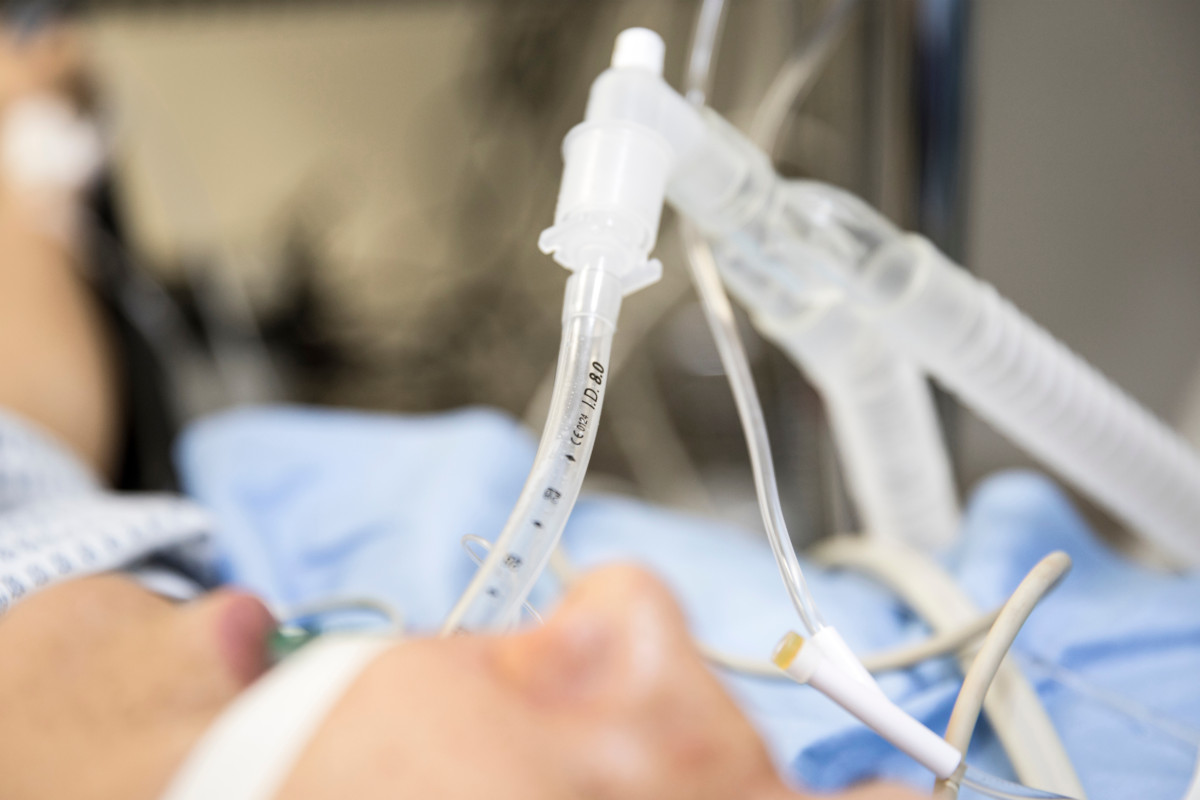
When a patient needs a breathing machine, a breathing tube is placed through the mouth and into the windpipe. Difficulty placing the breathing tube may cause serious problems with low oxygen levels, low blood pressure, or injury to the windpipe or lungs. To place the breathing tube, doctors use a tool called a “scope” to see past the tongue for placement of the breathing tube in the windpipe. Two types of “scope” are commonly used. One is called a “video laryngoscope” and another is called a “direct laryngoscope”. The DEVICE trial compared use of a video laryngoscope with use of a direct laryngoscope in 1,417 patients in 7 emergency departments and 10 intensive care units across the United States. The study showed that use of a video laryngoscope increased the probability of successful breathing tube placement on the first attempt.Importance
For critically ill adults undergoing emergency tracheal intubation, failure to intubate the trachea on the first attempt occurs in up to 20% of cases and is associated with severe hypoxemia and cardiac arrest. Before the DEVICE trial it remained unknown whether use of a video laryngoscope or use of a direct laryngoscopes was better for patients.’
Objective
To compare the effect of use of a video laryngoscope versus a direct laryngoscope on successful intubation on the first attempt among critically ill adults undergoing tracheal intubation in the acute care setting. Design, setting, and participants: The DirEct Versus Video LaryngosCopE (DEVICE) trial was a multi-center, parallel-group, non-blinded, randomized clinical trial among 1,417 critically ill adults undergoing orotracheal intubation in 7 emergency departments and 10 ICUs in 11 medical centers across the United States.
Interventions
Patients were randomly assigned to the video laryngoscope group (n =705) or the direct laryngoscope group (n = 712).
Main outcomes and measures
The primary outcome was successful intubation on the first attempt. The secondary outcome was the incidence of severe complications.
Results
Among 1417 patients who were included in the final analysis, successful intubation on the first attempt occurred in 600 patients (85.1%) in the video-laryngoscope group and in 504 patients (70.8%) in the direct-laryngoscope group (absolute risk difference, 14.3 percentage points; 95% CI, 9.9 to 18.7; P<0.001). A total of 151 patients (21.4%) in the video-laryngoscope group and 149 patients (20.9%) in the direct- laryngoscope group had a severe complication during intubation (absolute risk difference, 0.5 percentage points; 95% CI, −3.9 to 4.9). Safety outcomes, including esophageal intubation, injury to the teeth, and aspiration, were similar in the two groups.
Conclusions and relevance
Among critically ill adults undergoing tracheal intubation in an emergency department or ICU, the use of a video laryngoscope resulted in a higher incidence of successful intubation on the first attempt than the use of a direct laryngoscope.Title: DEVICE
Manuscript Title: Video versus Direct Laryngoscopy for Tracheal Intubation of Critically Ill Adults.
Publication: New England Journal of Medicine
PubMed ID: 37326325
Date: Jul 2023