




BOUGIE Trial
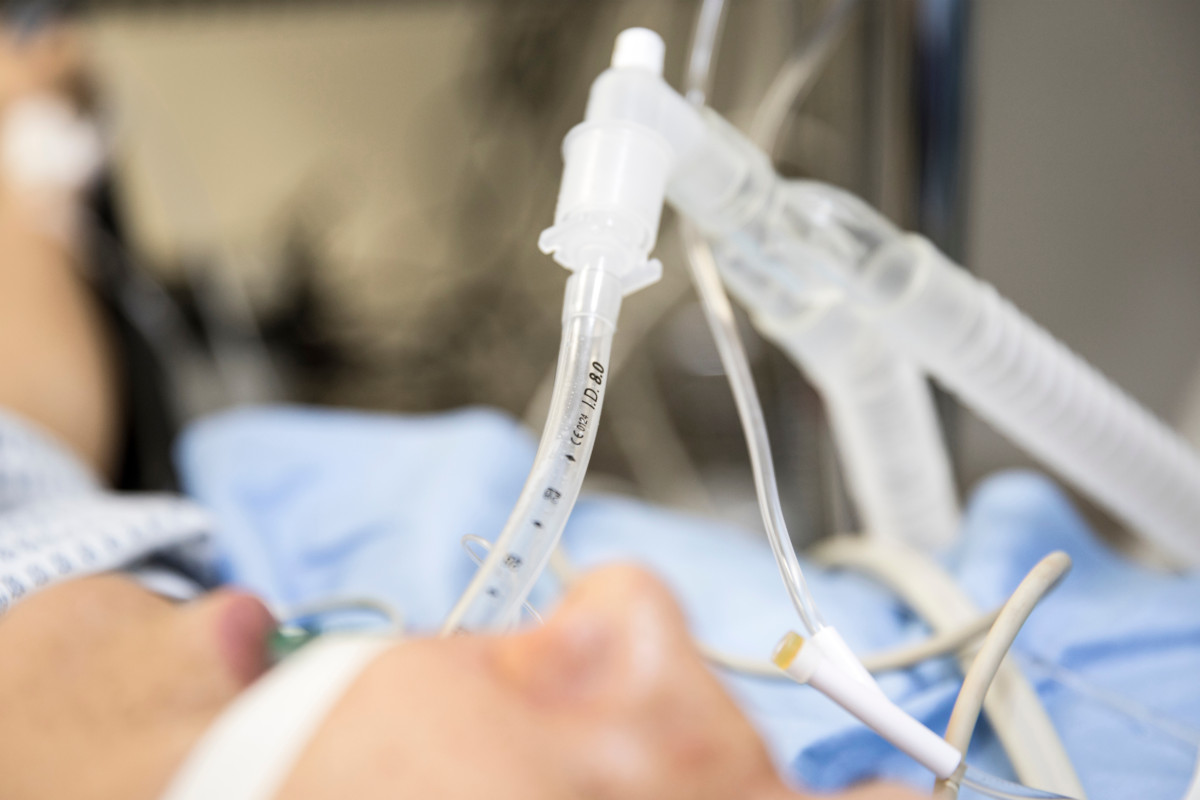
To support seriously ill patients with a breathing machine, doctors must place a breathing tube. One-in-five times doctors cannot place the breathing tube on the first try. When the breathing tube cannot be placed on the first try, the risks to the patient for low oxygen levels or blood pressure are higher. Doctors use two different rod-like devices to help guide a breathing tube it the right place. One is called a “bougie” and another is called a “stylet”. Both have been used for many years, but whether one was better than the other for placing a breathing tube on the first attempt was not known. The BOUGIE trial compared use of a bougie with use of a stylet for 1100 patients in 7 emergency departments and 8 intensive care units across the United States. The study showed that using a bougie and using a stylet were equally safe and effective.
Importance
For critically ill adults undergoing emergency tracheal intubation, failure to intubate the trachea on the first attempt occurs in up to 20% of cases and is associated with severe hypoxemia and cardiac arrest. Whether using a tracheal tube introducer (“bougie”) increases the likelihood of successful intubation compared with using an endotracheal tube with stylet remains uncertain.
Objective
To determine the effect of use of a bougie vs an endotracheal tube with stylet on successful intubation on the first attempt.
Design, setting, and participants
The Bougie or Stylet in Patients Undergoing Intubation Emergently (BOUGIE) trial was a multicenter, randomized clinical trial among 1102 critically ill adults undergoing tracheal intubation in 7 emergency departments and 8 intensive care units in the US between April 29, 2019, and February 14, 2021; the date of final follow-up was March 14, 2021.
Interventions
Patients were randomly assigned to use of a bougie (n = 556) or use of an endotracheal tube with stylet (n = 546).
Main outcomes and measures
The primary outcome was successful intubation on the first attempt. The secondary outcome was the incidence of severe hypoxemia, defined as a peripheral oxygen saturation less than 80%.
Results
Among 1106 patients randomized, 1102 (99.6%) completed the trial and were included in the primary analysis (median age, 58 years; 41.0% women). Successful intubation on the first attempt occurred in 447 patients (80.4%) in the bougie group and 453 patients (83.0%) in the stylet group (absolute risk difference, -2.6 percentage points [95% CI, -7.3 to 2.2]; P = .27). A total of 58 patients (11.0%) in the bougie group experienced severe hypoxemia, compared with 46 patients (8.8%) in the stylet group (absolute risk difference, 2.2 percentage points [95% CI, -1.6 to 6.0]). Esophageal intubation occurred in 4 patients (0.7%) in the bougie group and 5 patients (0.9%) in the stylet group, pneumothorax was present after intubation in 14 patients (2.5%) in the bougie group and 15 patients (2.7%) in the stylet group, and injury to oral, glottic, or thoracic structures occurred in 0 patients in the bougie group and 3 patients (0.5%) in the stylet group.
Conclusions and relevance
Among critically ill adults undergoing tracheal intubation, use of a bougie did not significantly increase the incidence of successful intubation on the first attempt compared with use of an endotracheal tube with stylet.
Trial registration
ClinicalTrials.gov Identifier: NCT03928925.
Title: BOUGIE Trial
Manuscript Title: Bougie or Stylet In Patients Undergoing Intubation Emergently (BOUGIE)
Publication: JAMA results paper
PubMed ID: 34879143
Date: Apr 2021