

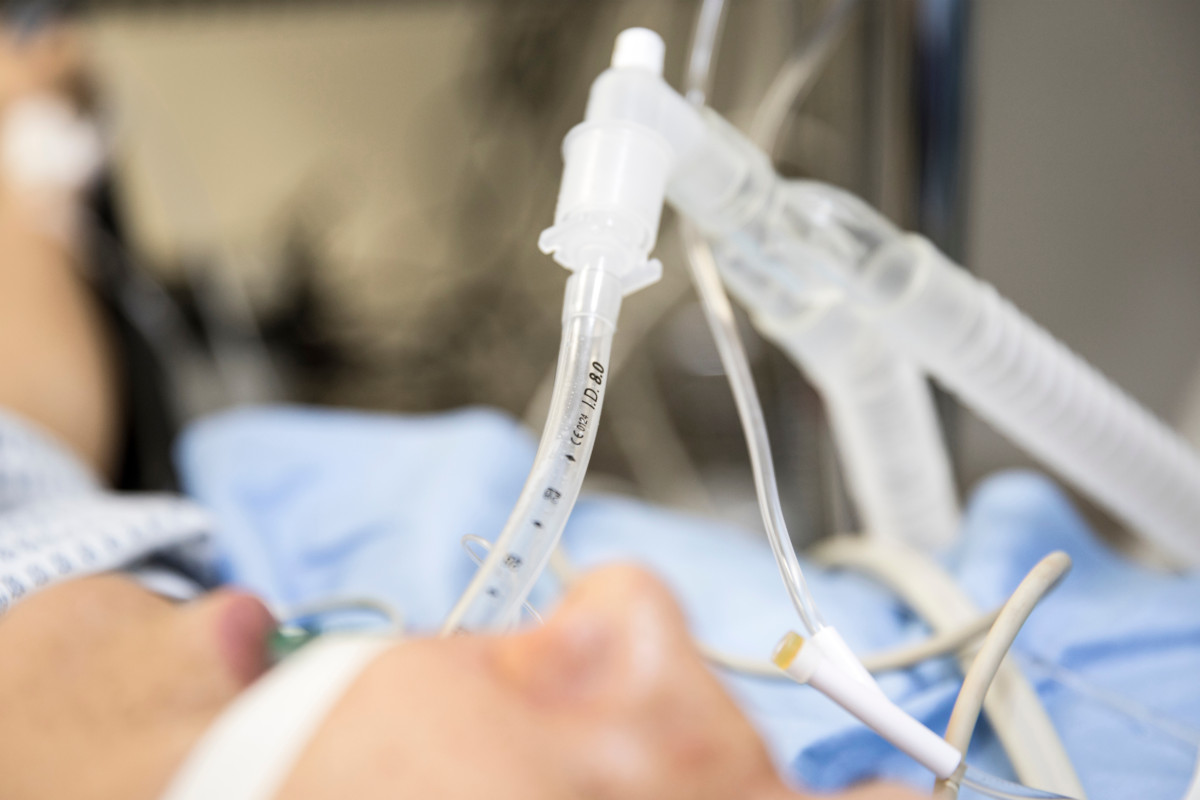



Is there anything more bread and butter in emergency medicine than intubating patients in high-stress situations? With five million adults needing emergency intubation annually, staying updated on intubation best practices is crucial. The PRagmatic trial Examining OXygenation prior to Intubation (PREOXI), just published in the NEJM and discussed on ERcast in this free segment, could revolutionize our approach to preoxygenation and, most importantly, improve patient safety.
Dissemination
Podcasts
Posted onEMCrit 377 – Breaking News – The PREOXI Trial changes everything about Preoxygenation for Intubations in the Critically Ill
Jun 2024Podcasts
Posted onPREOXI featured on ICU Ed and Todd-Cast
Jun 2024
Episode 40! In this special episode releasing at the conclusion of the PREOXI presentation at the Critical Care Reviews 2024 conference in Belfast, Ireland – we discuss the recently published PREOXI trial evaluating NIV vs facemask as pre-oxygenation for emergent endotracheal intubation. Kevin Gibbs, the first author and presenter at the conference, is our special guest.
Podcasts
Posted onCritical Care Reviews Podcast
Feb 2022Drs Brian Driver and Matt Prekker join Rob Mac Sweeney to address some of the questions and comments that arose following the presentation and publication of the BOUGIE trial, comparing the use of a stylet with that of a bougie in emergency intubation.
Dissemination
Posted onEmbedding Pragmatic Trials into Emergency and Critical Care (Matthew W. Semler, MD, MSc; Jonathan D. Casey, MD, MSc)
Oct 2021| Embedding Pragmatic Trials into Emergency and Critical Care (Matthew W. Semler, MD, MSc; Jonathan D. Casey, MD, MSc)10/29/2021 Speakers Matthew W. Semler, MD, MSc Assistant Professor Vanderbilt Health Jonathan D. Casey, MD, MSc Assistant Professor Vanderbilt Health Topic: Embedding Pragmatic Trials into Emergency and Critical Care Keywords: Pragmatic clinical trials; Study design; Comparative effectiveness trials; Treatment effect; SMART trial; PreVent trial; Exception from Informed Consent (EFIC) Key Points: Emergency medical clinicians are faced with common decisions in everyday practice with little to no data from randomized clinical trials to help inform their decisions.Four barriers to comparative effectiveness trials in a critical care setting are a brief therapeutic window, patients with multiple co-morbidities, the inability of the patient to consent to research, and analyzing average treatment effect rather than individual treatment effect.The PreVent Trial studied the use of bag-mask ventilation to prevent hypoxemia for patients who had been administered anesthesia in preparation for intubation.Efficient, pragmatic trial procedures that don’t delay treatment enable comparative effectiveness randomized clinical trials to be conducted effectively.After 50 years of debate about bag-mask ventilation during this interval period, the PreVent Trial found that bag-mask ventilation cut the rate of hypoxemia by 50% without affecting aspiration.The SMART Trial was a cluster-randomized, multiple-crossover trial of fluid management that studied patient outcomes when Balanced Crystalloids were used versus Saline solution.The large sample size of over 15,000 patients provided the SMART trial with the power to detect that a balanced crystalloid fluid prevented Major Adverse Kidney Events in 1% of patients compared to Saline solution. /li>Exception from Informed Consent (EFIC), implemented in 1996 allows trials in emergency situations of the condition is life-threatening, existing treatments are unproven or unsatisfactory, and research involves no more than minimal risk.Analyzing Individual Treatment Effects will allow clinical providers to tailor their decisions to their individual patient.Discussion Themes Clinical equipoise poses a challenge for comparative effectiveness trials. Key to getting buy-in from clinician stakeholders is explaining the importance of the research to the pat |
Dissemination
Posted onICU doctor ‘frustrated’ as COVID hospitalizations spike in Tennessee
Sep 2021By: Emily Luxen
NASHVILLE, Tenn. (WTVF) — As the Labor Day weekend concludes, Tennessee continues to see a record-breaking number of people hospitalized with COVID-19.
The latest data from the Tennessee Department of Health reveals there are now 3,597 COVID patients hospitalized across the state. Of those, 1,020 are in ICUs. Before this record influx of COVID patients, the previous record was set back in January.
Recent Stories from newschannel5.com
The most recent numbers from Vanderbilt Health show of the 218 people hospitalized over the last 7 days, 190 were unvaccinated.
“We’re seeing lots of lots people who are unvaccinated who are sick enough to be in the hospital,” said Dr. Todd Rice, a critical care physician at Vanderbilt Health. “There is some exasperation from nurses. It’s like if you just would have got vaccinated, you likely wouldn’t be here.”
Dr. Rice has been treating COVID patients since the beginning of the pandemic. He said 18 months of grueling work has taken a toll on hospital staff.
“These patients are sick,” said Dr. Rice. “They take a ton of resources, energy and time.”
Dr. Rice said doctors are also waiting to see if travel and other activities over the Labor Day weekend cause yet another spike in cases.
“Our numbers are high enough right now, I think any increase we see gets buried in the high numbers right now.”
Dr. Rice said the only way to reverse the trend is for more Tennesseans to get vaccinated. He said some unvaccinated patients have expressed regrets they didn’t get the shot, and he hopes others learn from their actions.
“There is no better way to make sure you don’t get COVID and don’t end up in the hospital than to get yourself vaccinated,” said Dr. Rice.
Dissemination
Posted onThe Path Forward: Building on Lessons Learned from the COVID-19 Pandemic
Jul 2021
Dissemination
Posted onMastering Intensive Care Episode 66: Todd Rice – Learning and teaching how to “not just do something, stand there”
Feb 2021This wide-ranging episode, covering many angles of how we should consider doing less interventions to our patients and more transparent communication to their families, features US intensivist Todd Rice.