



Intubation
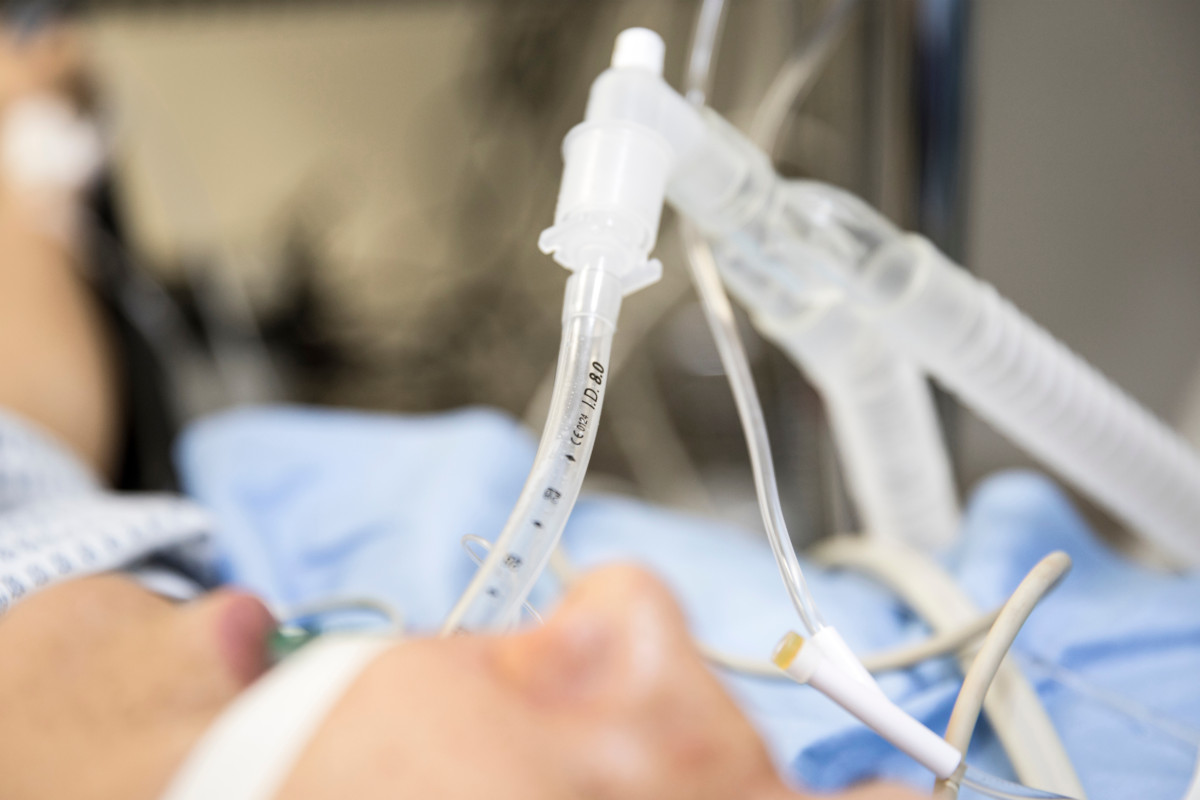
To support seriously ill patients with a breathing machine, doctors must place a breathing tube. Before intubation, doctors give a medicine to make patients unconscious, most commonly ketamine or etomidate. Whether ketamine improves survival compared with etomidate was not known. The RSI trial compared ketamine with etomidate in 2,365 patients across 14 emergency departments and…
Continue Reading RSI Trial (Ketamine vs Etomidate for Emergency Tracheal Intubation)
Skip to Importance Objective Interventions Results Materials Conclusions and relevance When patients need a breathing machine, a breathing tube is placed through the mouth and into the windpipe. During placement of the breathing tube, patients may experience serious problems with low oxygen levels. Doctors give oxygen through a mask before the procedure to prevent low…
What we need to learn When a patient needs a breathing machine, a breathing tube is placed through the mouth and into the windpipe. Difficulty placing the breathing tube may cause serious problems with low oxygen levels, low blood pressure, or injury to the windpipe or lungs. To place the breathing tube, doctors use a…
Patients in the intensive care unit who require treatment with a breathing machine may develop serious problems with blood pressure or heart rhythm while the breathing tube is being placed. To learn whether problems with blood pressure or heart rhythms could be prevented by giving patients fluid through an IV, we led a research study…
Patients in the intensive care unit who require treatment with a breathing machine may develop serious problems with blood pressure or heart rhythm while the breathing tube is being placed. To learn whether problems with blood pressure or heart rhythms could be prevented by giving patients fluid through an IV, we led a research study…
To support seriously ill patients with a breathing machine, doctors must place a breathing tube. One-in-five times doctors cannot place the breathing tube on the first try. When the breathing tube cannot be placed on the first try, the risks to the patient for low oxygen levels or blood pressure are higher. Doctors use two…
For patients on a breathing machine, doctors may secure the breathing tube in place using either adhesive tape or an endotracheal tube fastener. The ETTS Trial compared the securement technique of adhesive tape versus an endotracheal tube fastener for patients in the medical intensive care unit expected to require a breathing machine for more than…
Low oxygen level is the most common complication that arises when a critically ill patient is being placed on a breathing machine. Whether providing oxygen and ventilation with a bag-mask device prior to placement of a breathing tube prevents low oxygen levels had been unknown. Among 401 patients in 7 intensive care units, the PreVent…
For patients being placed on a breathing machine, a breathing tube must be placed in the mouth. During placement of a breathing tube, low oxygen levels may occur. Whether placing a breathing tube while the patient’s head and shoulders were elevated (“ramped position”) could prevent low oxygen levels compared to placement of a breathing tube…
For patients being placed on a breathing machine, a breathing tube must be placed in the mouth. During placement of a breathing tube, low oxygen levels and low blood pressure may occur. Whether using a checklist prior to placing a breathing tube helps prevent these complications is unknown. Among 262 patients being placed on a…
To support seriously ill patients with a breathing machine, doctors must place a breathing tube. One-in-five times doctors cannot place the breathing tube on the first try. When the breathing tube cannot be placed on the first try, the risks to the patient for low oxygen levels or blood pressure are higher. Two types of…
Low oxygen levels is the most common complication that arises when a critically ill patient is being placed on a breathing machine. Whether providing oxygen with a small tube below the nose (“nasal cannula”) during the placement of a breathing tube prevents low oxygen levels had been unknown. Among 150 patients receiving a breathing tube…
Fluid Management
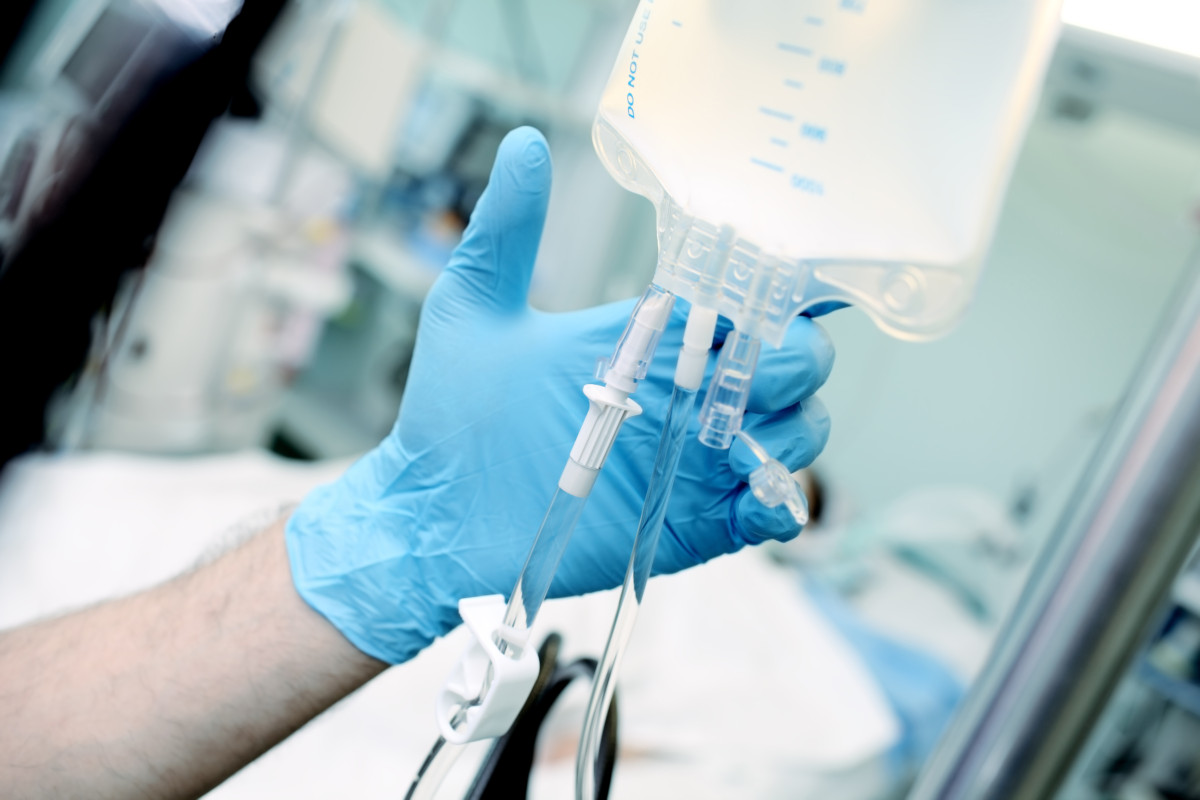
To support critically ill patients, doctors often give intravenous fluids to improve circulation. Two common balanced fluids are Normosol-R and lactated Ringers, but whether one leads to better outcomes was unknown. The BASE trial compared these fluids in 2,084 critically ill patients at an academic medical center in the United States.
Patients being treated for sepsis, a serious infection that can lower blood pressure, are often treated with fluids through an IV. Previous studies have shown that a positive fluid balance, or more fluids taken in than out, may be connected to problems with kidney and lung function. The BALANCE pilot trial enrolled 30 patients; 15…
Patients in the intensive care unit frequently receive IV fluid. For more than 100 years, two basic types of IV fluid have been available: saline (which contains more chloride than human blood) and balanced crystalloids (which contains about the same amount of chloride as human blood). No large trials had previously evaluated which fluid resulted…
Patients in the emergency department are frequently given fluids through an IV as a treatment for a wide variety of injuries and medical complications. Historically, the most common fluid given to patients had been saline. Saline contains a higher concentration of chloride than that of human blood, which could have negative effects on patients’ kidneys…
Patients in the intensive care unit frequently receive IV fluid. Two basic types of IV fluid exist: saline (which contains more chloride than human blood) and balanced crystalloids (which contains about the same amount of chloride as human blood). No large trials had previously evaluated which fluid resulted in the best outcomes for patients. In…

Antibiotics
Patients in the emergency department and intensive care unit who are suspected of having infections are treated with antibiotics. Most patients received either cefepime or piperacillin-tazobactam, antibiotics targeting resistant gram-negative bacteria. The two antibiotics are believed to have different risks. Cefepime may cause “neurotoxicity” (symptoms like agitation or coma). Piperacillin-tazobactam may cause kidney injury. To…
Mechanical Ventilation
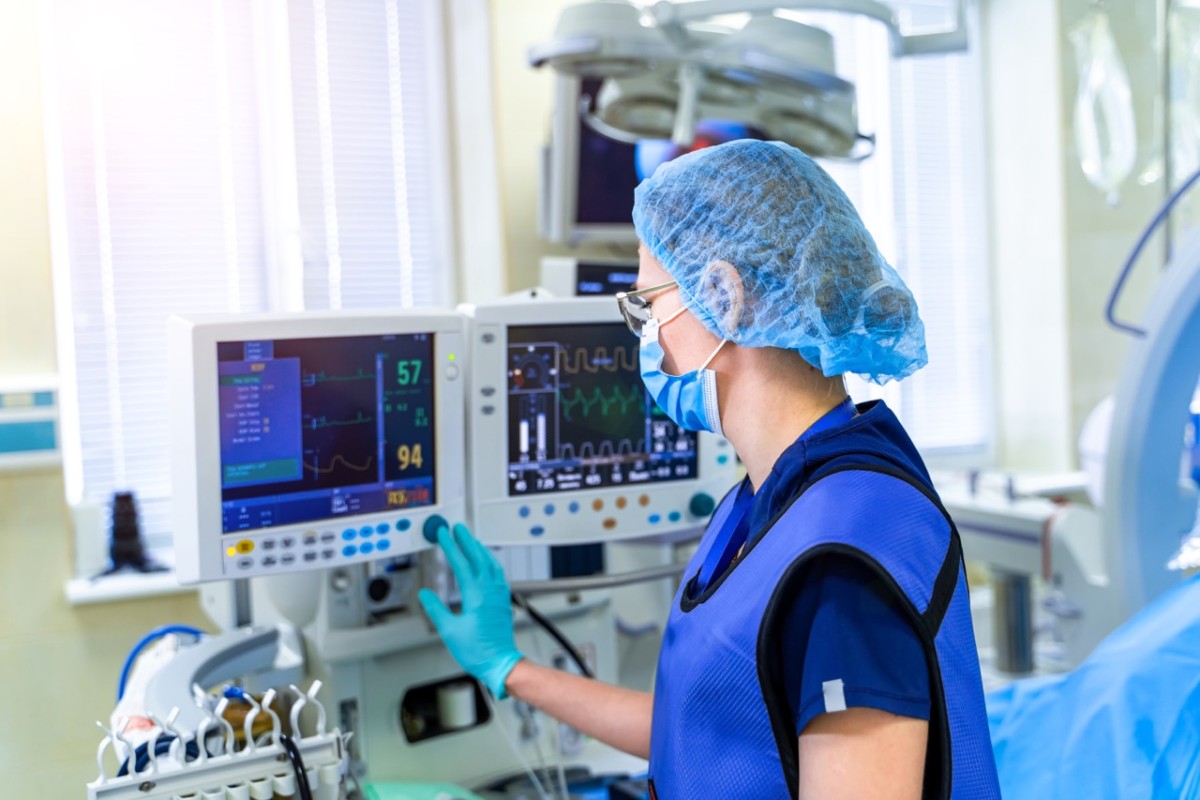
To support seriously ill patients with a breathing machine, doctors must choose how the ventilator delivers each breath. Three common modes are volume control, pressure control, and adaptive pressure control, but whether mode choice affects outcomes was uncertain. The MODE trial compared these modes in 566 critically ill patients in a medical ICU. The study showed similar days alive and free from the ventilator across groups, with differences in breathing patterns that may warrant further study.
Many patients in the intensive care unit (ICU) receive oxygen through a breathing machine. Doctors, nurses, and respiratory therapist adjust the amount of oxygen given through the breathing machine to target oxygen levels, but the ideal oxygen level to target is unknown. To understand which oxygen level is best for patients, we conducted a research…
When a patient requiring a breathing machine is ready to be disconnected from that machine, providing additional oxygen support using a mask over the patient’s mouth (called “non-invasive ventilation”) or a large tube under their nose (called “high flow nasal cannula”) had been reported to decrease the likelihood of the patient needing to be put…

Scientific Presentations