

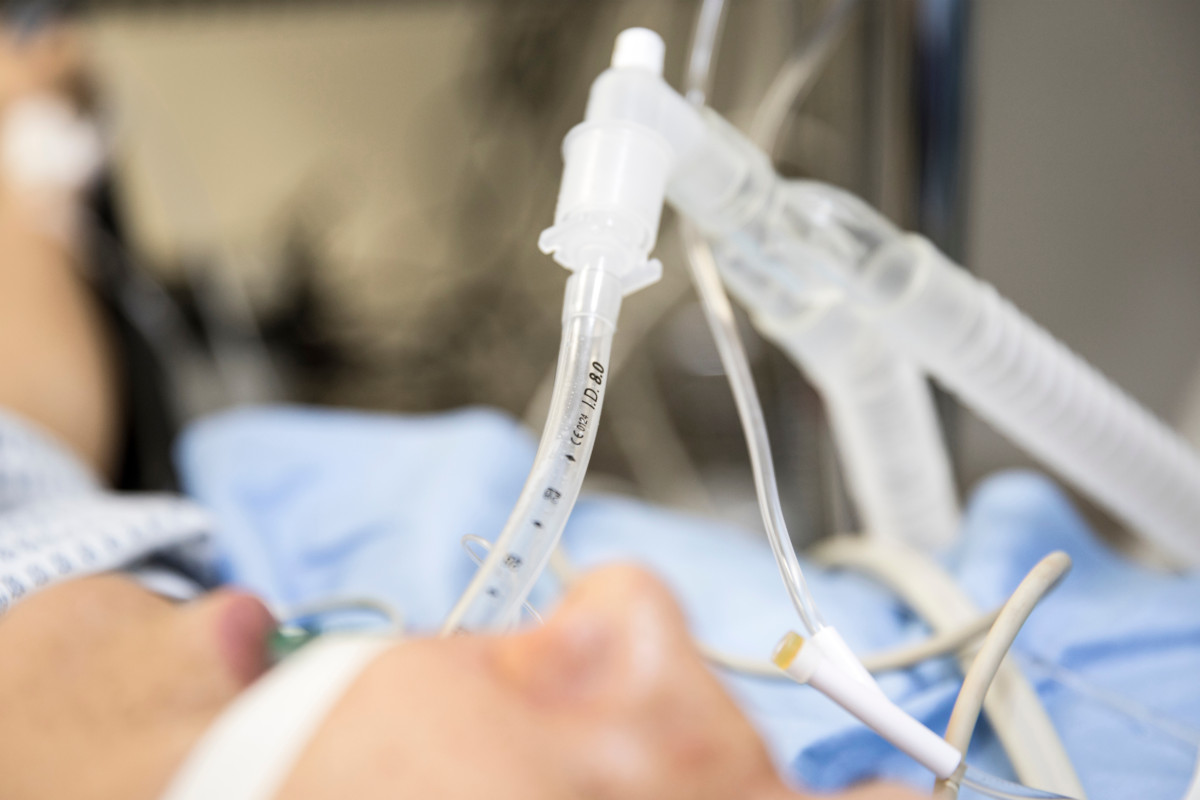
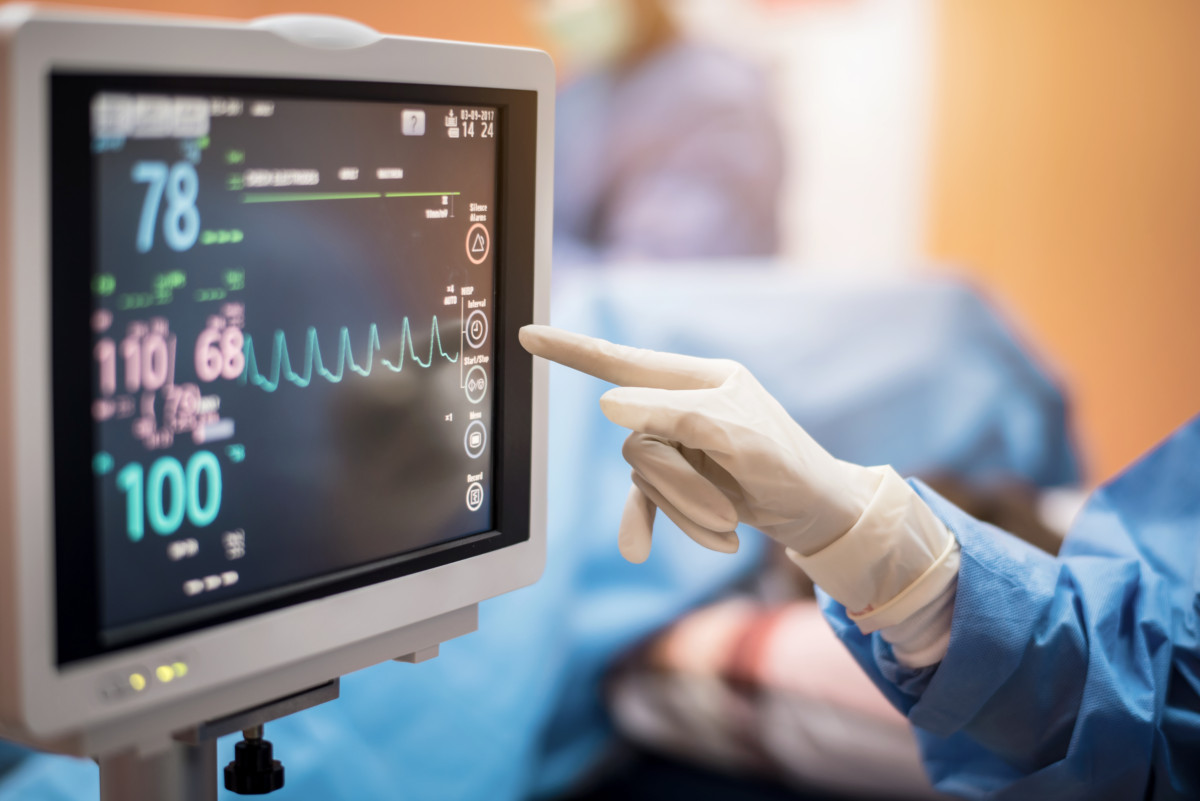


Many patients in the intensive care unit (ICU) receive oxygen through a breathing machine. Doctors, nurses, and respiratory therapist adjust the amount of oxygen given through the breathing machine to target oxygen levels, but the ideal oxygen level to target is unknown. To understand which oxygen level is best for patients, we conducted a research study called the PILOT study. A total of 2,541 patients on breathing machines in the Vanderbilt intensive care unit participated in the study and had their clinicians target an oxygen level of 90%, 94%, or 98%. The results of the study suggested that patients did equally well when their clinicians targeted an oxygen level of 90%, 94%, or 98%.
Background: Invasive mechanical ventilation in critically ill adults involves adjusting the fraction of inspired oxygen to maintain arterial oxygen saturation. The oxygen- saturation target that will optimize clinical outcomes in this patient population remains unknown.
Methods
In a pragmatic, cluster-randomized, cluster-crossover trial conducted in the emergency department and medical intensive care unit at an academic center, we assigned adults who were receiving mechanical ventilation to a lower target for oxygen saturation as measured by pulse oximetry (Spo2) (90%; goal range, 88 to 92%), an intermediate target (94%; goal range, 92 to 96%), or a higher target (98%; goal range, 96 to 100%). The primary outcome was the number of days alive and free of mechanical ventilation (ventilator-free days) through day 28. The secondary outcome was death by day 28, with data censored at hospital discharge.
Results
A total of 2541 patients were included in the primary analysis. The median number of ventilator-free days was 20 (interquartile range, 0 to 25) in the lower-target group, 21 (interquartile range, 0 to 25) in the intermediate-target group, and 21 (interquartile range, 0 to 26) in the higher-target group (P = 0.81). In-hospital death by day 28 occurred in 281 of the 808 patients (34.8%) in the lower-target group, 292 of the 859 patients (34.0%) in the intermediate-target group, and 290 of the 874 patients (33.2%) in the higher-target group. The incidences of cardiac arrest, arrhythmia, myocardial infarction, stroke, and pneumothorax were similar in the three groups.
Conclusions
Among critically ill adults receiving invasive mechanical ventilation, the number of ventilator-free days did not differ among groups in which a lower, intermediate, or higher Spo2 target was used.
ClinicalTrials.gov Identifier:
NCT03537937.
Manuscript Title: Oxygen-Saturation Targets for Critically Ill Adults Receiving
Mechanical Ventilation
Journal: New England Journal of Medicine
PMID: 36278971