

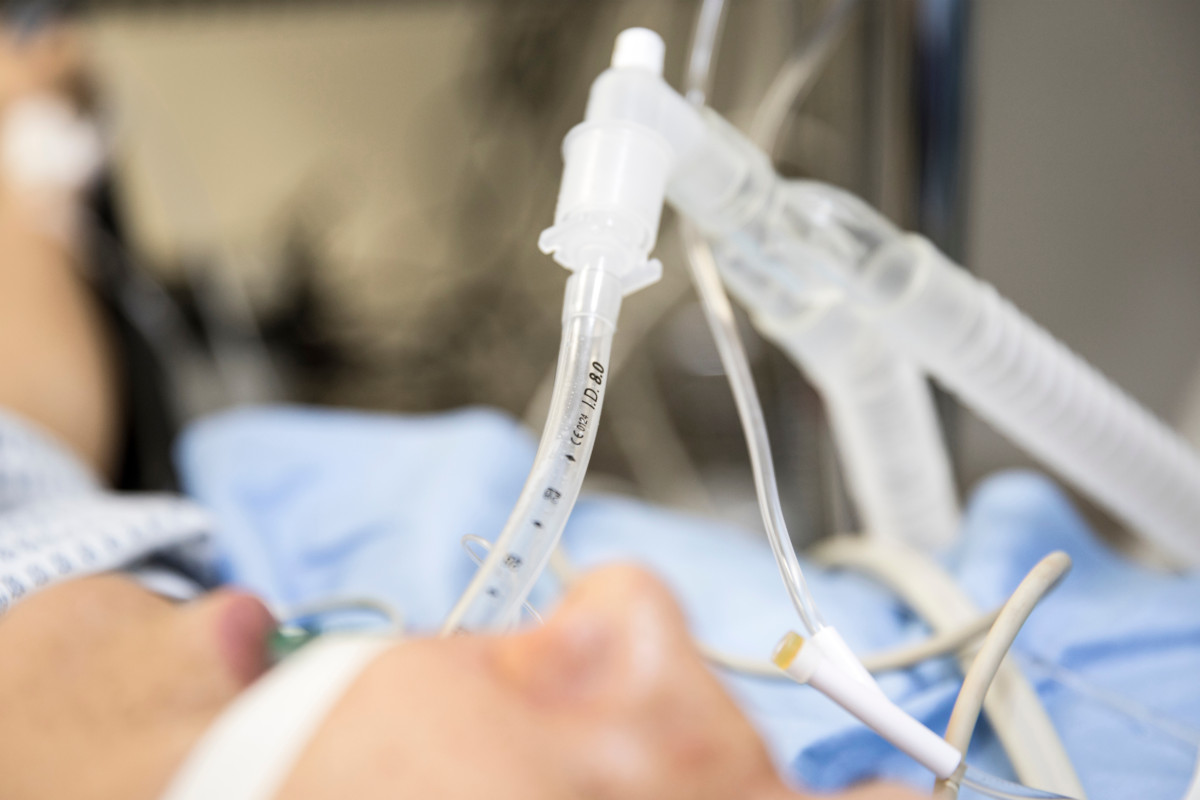
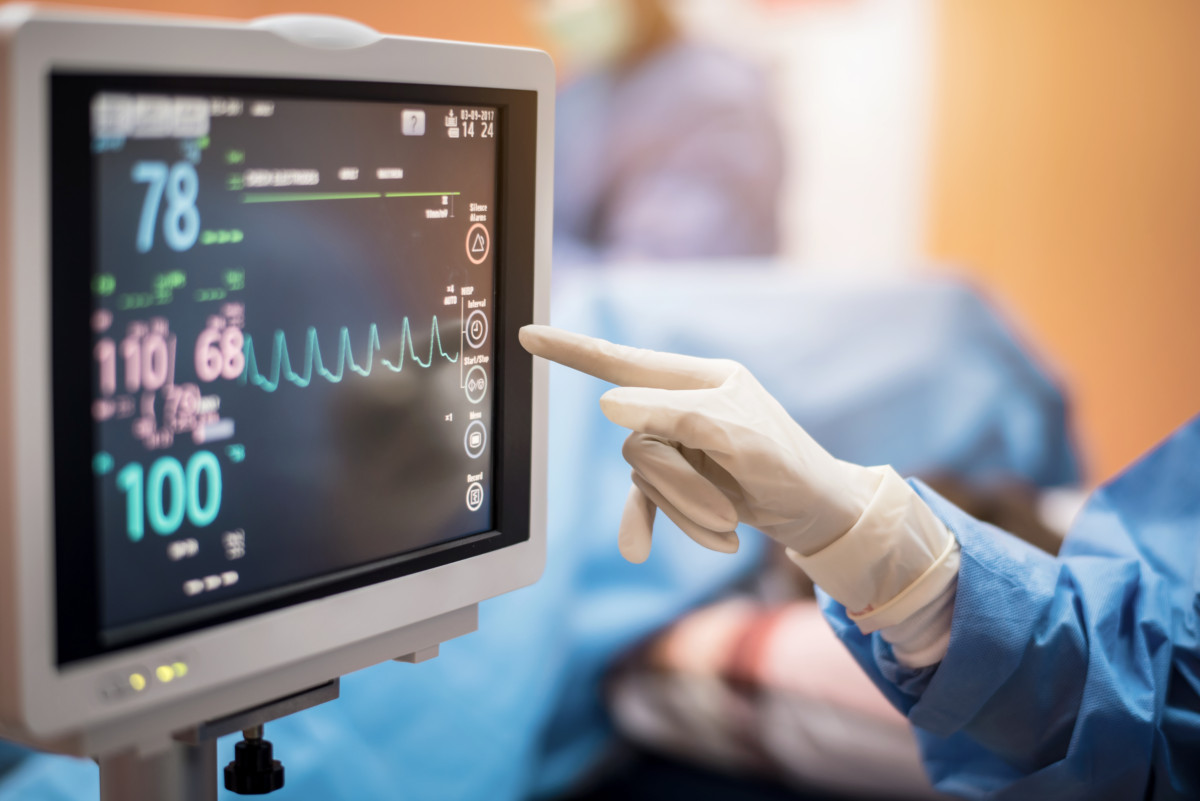


For some patients with severe lung failure, doctors use venovenous ECMO to deliver oxygen while the lungs recover. ECMO can be life-saving, but bleeding is common, and patients receive blood thinners to prevent clots. Whether lower-intensity anticoagulation could reduce bleeding without causing more clots was unknown. The SAFE-ECMO pilot trial compared low- vs moderate-intensity anticoagulation in 26 patients across 3 U.S. centers. The study showed the trial was feasible and that major bleeding occurred less often with low-intensity anticoagulation, with clotting events uncommon in both groups.
SAFE-ECMO Pilot Trial (Low-Intensity vs Moderate-Intensity Anticoagulation)
Venovenous extracorporeal membrane oxygenation (ECMO) can be life-saving for severe respiratory failure, but it is also associated with major complications, especially bleeding. Anticoagulation is routinely used to prevent clotting in the ECMO circuit, but the safest intensity of anticoagulation is uncertain. The SAFE-ECMO pilot trial compared low-intensity versus moderate-intensity anticoagulation strategies to determine whether a large multicenter randomized trial is feasible and to estimate bleeding and clotting risks.
Importance
Bleeding is a common and sometimes fatal complication of venovenous ECMO. Before the SAFE-ECMO Pilot Trial, it was unclear whether lower-intensity anticoagulation could reduce bleeding without causing excess thromboembolic complications, and whether a large randomized trial was feasible.
Objective
To determine the feasibility of a multicenter randomized trial comparing low-intensity versus moderate-intensity anticoagulation during venovenous ECMO, and to estimate effects on major bleeding and thromboembolic events.
Interventions
In a multicenter, parallel-group randomized pilot trial at 3 centers across the United States, critically ill adults receiving venovenous ECMO were randomly assigned to low-intensity or moderate-intensity anticoagulation. Feasibility outcomes included enrollment rate and adherence to the assigned strategy. The primary efficacy outcome was major bleeding, and the primary safety outcome was thromboembolic events, assessed from enrollment through 24 hours after decannulation.
Results
A total of 26 patients were enrolled, and all received their assigned anticoagulation intensity. Major bleeding occurred in 1 of 12 (8.3%) patients in the low-intensity group and 4 of 14 (28.6%) in the moderate-intensity group (absolute risk difference, –20.2 percentage points; 95% CI, –48.6 to 8.1; P = .33). Thromboembolic events were uncommon, occurring in 1 patient (8.3%) assigned to low-intensity anticoagulation and 0 patients assigned to moderate-intensity anticoagulation. No patients died before discharge in the low-intensity group, compared with 2 patients (14.3%) in the moderate-intensity group, both of whom experienced major bleeding events.
Conclusions and Relevance
In this multicenter pilot trial, enrollment and adherence to assigned anticoagulation intensity were feasible for venovenous ECMO patients. Major bleeding events were numerically lower with low-intensity anticoagulation, and thromboembolic events were uncommon. These results support the feasibility of a larger randomized trial to evaluate the safety and effectiveness of lower-intensity anticoagulation strategies during venovenous ECMO.
ClinicalTrials.gov Identifier: NCT04997265
Manuscript Title: Low-Intensity vs Moderate-Intensity Anticoagulation for Venovenous Extracorporeal Membrane Oxygenation: The Strategies for Anticoagulation During Venovenous Extracorporeal Membrane Oxygenation Pilot Trial
Journal: Chest
PMID: 40081660
The SAFE-ECMO pilot trial was a multicenter randomized pilot trial conducted at 3 U.S. centers comparing low-intensity vs moderate-intensity anticoagulation for critically ill adults receiving venovenous ECMO. The primary goal was to test feasibility for a larger trial, measured by enrollment and adherence to the assigned anticoagulation strategy, and all 26 enrolled patients received their assigned intensity of anticoagulation. Major bleeding occurred in 1/12 (8.3%) patients assigned to low-intensity anticoagulation versus 4/14 (28.6%) assigned to moderate-intensity anticoagulation, while thromboembolic events were uncommon (1 vs 0 patients). These results support the feasibility of a larger multicenter trial and suggest that lower-intensity anticoagulation may reduce bleeding risk without a clear increase in thromboembolic complications.
Gannon WD, Pratt EH, Vogelsong MA, Adkisson WH, Bacchetta M, Bloom SL, Ford DJ, Guenthart BA, Landsperger JS, Qian ET, Rackley CR, Rice TW, Fielding-Singh V, Stokes JW, Stollings JL, Semler MW, Casey JD; Pragmatic Critical Care Research Group. Low-Intensity vs Moderate-Intensity Anticoagulation for Venovenous Extracorporeal Membrane Oxygenation: The Strategies for Anticoagulation During Venovenous Extracorporeal Membrane Oxygenation Pilot Trial. Chest. 2025 Sep;168(3):639-649. doi: 10.1016/j.chest.2025.02.032. Epub 2025 Mar 11. PMID: 40081660