

Journal: Critical Care Explorations
PMID: 36895888
Trial Statistical Analysis Plans
Posted onDirEct versus VIdeo LaryngosCopE (DEVICE): Protocol and Statistical Analysis Planfor a Randomised Clinical Trial in Critically Ill Adults Undergoing Emergency TrachealIntubation
Jan 2023Journal: BMJ Open
PMID: 36639210
Past Trials
Posted onDEVICE
Jan 2023
What we need to learn
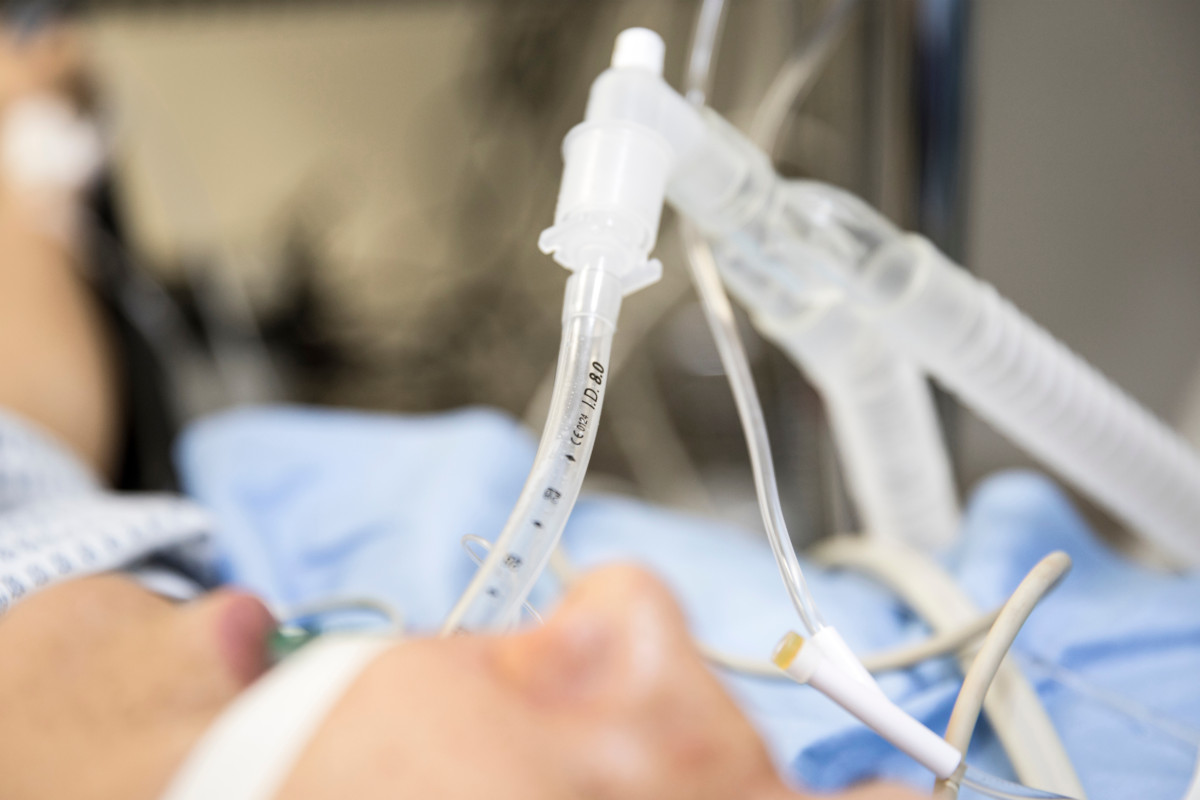
When a patient needs a breathing machine, a breathing tube is placed through the mouth and into the windpipe. Difficulty placing the breathing tube may cause serious problems with low oxygen levels, low blood pressure, or injury to the windpipe or lungs. To place the breathing tube, doctors use a tool called a “scope” to see past the tongue for placement of the breathing tube in the windpipe. Two types of “scope” are commonly used. One is called a “video laryngoscope” and another is called a “direct laryngoscope”. The DEVICE trial compared use of a video laryngoscope with use of a direct laryngoscope in 1,417 patients in 7 emergency departments and 10 intensive care units across the United States. The study showed that use of a video laryngoscope increased the probability of successful breathing tube placement on the first attempt.
Importance
For critically ill adults undergoing emergency tracheal intubation, failure to intubate the trachea on the first attempt occurs in up to 20% of cases and is associated with severe hypoxemia and cardiac arrest. Before the DEVICE trial it remained unknown whether use of a video laryngoscope or use of a direct laryngoscopes was better for patients.’
Objective
To compare the effect of use of a video laryngoscope versus a direct laryngoscope on successful intubation on the first attempt among critically ill adults undergoing tracheal intubation in the acute care setting. Design, setting, and participants: The DirEct Versus Video LaryngosCopE (DEVICE) trial was a multi-center, parallel-group, non-blinded, randomized clinical trial among 1,417 critically ill adults undergoing orotracheal intubation in 7 emergency departments and 10 ICUs in 11 medical centers across the United States.
Interventions
Patients were randomly assigned to the video laryngoscope group (n =705) or the direct laryngoscope group (n = 712).
Main outcomes and measures
The primary outcome was successful intubation on the first attempt. The secondary outcome was the incidence of severe complications.
Results
Among 1417 patients who were included in the final analysis, successful intubation on the first attempt occurred in 600 patients (85.1%) in the video-laryngoscope group and in 504 patients (70.8%) in the direct-laryngoscope group (absolute risk difference, 14.3 percentage points; 95% CI, 9.9 to 18.7; P<0.001). A total of 151 patients (21.4%) in the video-laryngoscope group and 149 patients (20.9%) in the direct- laryngoscope group had a severe complication during intubation (absolute risk difference,
0.5 percentage points; 95% CI, −3.9 to 4.9). Safety outcomes, including esophageal intubation, injury to the teeth, and aspiration, were similar in the two groups.
Conclusions and relevance: Among critically ill adults undergoing tracheal intubation in an emergency department or ICU, the use of a video laryngoscope resulted in a higher incidence of successful intubation on the first attempt than the use of a direct laryngoscope.
ClinicalTrials.gov Identifier: NCT05239195
Manuscript Title: Video versus Direct Laryngoscopy for Tracheal Intubation of
Critically Ill Adults.
Journal: New England Journal of Medicine
PMID: 37326325
More information
This study is called “Direct Versus Video Laryngoscope (DEVICE)” and is funded by the U.S. Department of Defense. Our goal is to learn whether a “scope” with a video screen or a “scope” without a video screen is better for placing a breathing tube and preventing problems with oxygen levels and blood pressure. Participating in this study will not impact the quality of care patients receive. For each patient:
- When the doctors feel a “scope” with a video screen would be best for a patient, the team will use a “scope” with a video screen.
- When the doctors feel that a “scope” without a video screen would be best for a patient, the team will use a “scope” without a video screen.
- When the doctors do not have a preference, the patient will be assessed against the inclusion / exclusion criteria and when appropriate, enrolled in DEVICE. Once the patient is enrolled in DEVICE, the type of “scope” is assigned randomly, meaning that every patient will have a fair and equal chance of getting either type of “scope.”
Questions
If you have any questions or concerns about this study, you may contact the Principal Investigator, Dr. Jonathan Casey. He will be glad to answer any study-related questions. Dr. Casey’s phone number is (615) 208-6139. If you have questions about your rights as a research participant, or concerns or complaints about the research, you may also contact the Vanderbilt Human Research Protections Program at (615)- 322-2918.
Participating Sites
Vanderbilt; Denver Health; Ochsner; University of Washington; Duke University; University of Alabama, Birmingham; Baylor, Scott &White; University of Colorado, Denver; Hennepin County Medical Center; Wake Forest; Brooke Army Medical Center, Beth Israel Deaconess,
Trial Update
On November 17th 2022, the investigators were notified by the Data and Safety Monitoring Board that the DEVICE trial had met the prespecified stopping criteria at the time of the single interim analysis. Enrollment in the trial was stopped and investigators and clinicians at participating sites were notified.
Trial Update
Letters to Editor
Posted onReply to: Extracorporeal membrane oxygenation transport for severe COVID-19 – why we can and should!
Dec 2022Journal: American Journal of Respiratory and Critical Care Medicine
PMID: 35882061
Scientific Presentations
Posted onBougie Trial Results
Dec 2022Scientific Presentations
Posted onPilot Trial Results
Dec 2022Scientific Presentations
Posted onPrepare II
Dec 2022Results of Randomized Trials
Posted onOxygen-Saturation Targets for Critically Ill Adults Receiving Mechanical Ventilation.
Nov 2022Journal: NEJM
PMID: 36278971
Review Articles
Posted onIntravenous fluid therapy in sepsis.
Oct 2022Journal: Nutrition in Clinical Practice
PMID: 35801708
Past Trials
Posted onICU Survivor Clinic Trial
Oct 2022People who survive critical illness frequently suffer from problems with their strength, thinking, and mental health for months after returning home from the hospital. To test whether a structured program with specific follow-up visits and resources could prevent the need to be readmitted to the hospital for patients who had previously been treated for critical illness in the ICU, we conducted this pilot study. The study found that patients enrolled in the recovery program received more interventions than those not in the program and went a slightly longer time without hospital readmission. Patients in the ICU recovery program also appeared to experience a lower frequency of death or hospital readmission within 30 days. Although uncertain because this was only a pilot study, these findings suggest that future research is needed to determine whether programs to help patients recovering from critical illness can prevent death and readmission and improve patients physical, mental, and social function.
Objectives: To examine the effect of an interdisciplinary ICU recovery program on process measures and clinical outcomes.
Design: A prospective, single-center, randomized pilot trial.
Setting: Academic, tertiary-care medical center.
Patients: Adult patients admitted to the medical ICU for at least 48 hours with a predicted risk of 30-day same-hospital readmission of at least 15%.
Interventions: Patients randomized to the ICU recovery program group were offered a structured 10-intervention program, including an inpatient visit by a nurse practitioner, an informational pamphlet, a 24 hours a day, 7 days a week phone number for the recovery team, and an outpatient ICU recovery clinic visit with a critical care physician, nurse practitioner, pharmacist, psychologist, and case manager. For patients randomized to the usual care group, all aspects of care were determined by treating clinicians.
Measurements and main results: Among the primary analysis of enrolled patients who survived to hospital discharge, patients randomized to the ICU recovery program (n = 111) and usual care (n = 121) were similar at baseline. Patients in the ICU recovery program group received a median of two interventions compared with one intervention in the usual care group (p < 0.001). A total of 16 patients (14.4%) in the ICU recovery program group and 26 patients (21.5%) in the usual care group were readmitted to the study hospital within 30 days of discharge (p = 0.16). For these patients, the median time to readmission was 21.5 days (interquartile range, 11.5-26.2 d) in the ICU recovery program group and 7 days (interquartile range, 4-21.2 d) in the usual care group (p = 0.03). Four patients (3.6%) in the ICU recovery program and 14 patients (11.6%) in the usual care group were readmitted within 7 days of hospital discharge (p = 0.02). The composite outcome of death or readmission within 30 days of hospital discharge occurred in 20 patients (18%) in the ICU recovery program group and 36 patients (29.8%) in usual care group (p = 0.04).
Conclusions: This randomized pilot trial found that a multidisciplinary ICU recovery program could deliver more interventions for post ICU recovery than usual care. The finding of longer time-to-readmission with an ICU recovery program should be examined in future trials.
Manuscript Title: “Randomized Clinical Trial of an ICU Recovery Pilot Program for Survivors of Critical Illness.”
Journal: Critical Care Medicine
PMID: 31385881
Mechanical Ventilation
Posted onPILOT Trial
Oct 2022
Many patients in the intensive care unit (ICU) receive oxygen through a breathing machine. Doctors, nurses, and respiratory therapist adjust the amount of oxygen given through the breathing machine to target oxygen levels, but the ideal oxygen level to target is unknown. To understand which oxygen level is best for patients, we conducted a research study called the PILOT study. A total of 2,541 patients on breathing machines in the Vanderbilt intensive care unit participated in the study and had their clinicians target an oxygen level of 90%, 94%, or 98%. The results of the study suggested that patients did equally well when their clinicians targeted an oxygen level of 90%, 94%, or 98%.
Background: Invasive mechanical ventilation in critically ill adults involves adjusting the fraction of inspired oxygen to maintain arterial oxygen saturation. The oxygen- saturation target that will optimize clinical outcomes in this patient population remains unknown.
Methods
In a pragmatic, cluster-randomized, cluster-crossover trial conducted in the emergency department and medical intensive care unit at an academic center, we assigned adults who were receiving mechanical ventilation to a lower target for oxygen saturation as measured by pulse oximetry (Spo2) (90%; goal range, 88 to 92%), an intermediate target (94%; goal range, 92 to 96%), or a higher target (98%; goal range, 96 to 100%). The primary outcome was the number of days alive and free of mechanical ventilation (ventilator-free days) through day 28. The secondary outcome was death by day 28, with data censored at hospital discharge.
Results
A total of 2541 patients were included in the primary analysis. The median number of ventilator-free days was 20 (interquartile range, 0 to 25) in the lower-target group, 21 (interquartile range, 0 to 25) in the intermediate-target group, and 21 (interquartile range, 0 to 26) in the higher-target group (P = 0.81). In-hospital death by day 28 occurred in 281 of the 808 patients (34.8%) in the lower-target group, 292 of the 859 patients (34.0%) in the intermediate-target group, and 290 of the 874 patients (33.2%) in the higher-target group. The incidences of cardiac arrest, arrhythmia, myocardial infarction, stroke, and pneumothorax were similar in the three groups.
Conclusions
Among critically ill adults receiving invasive mechanical ventilation, the number of ventilator-free days did not differ among groups in which a lower, intermediate, or higher Spo2 target was used.
ClinicalTrials.gov Identifier:
NCT03537937.
Manuscript Title: Oxygen-Saturation Targets for Critically Ill Adults Receiving
Mechanical Ventilation
Journal: New England Journal of Medicine
PMID: 36278971
Leadership Team
Posted onKevin Ward Gibbs, MD
Oct 2022
Wake Forest School of Medicine
Leadership Team
Posted onSheetal Gandotra, MD
Oct 2022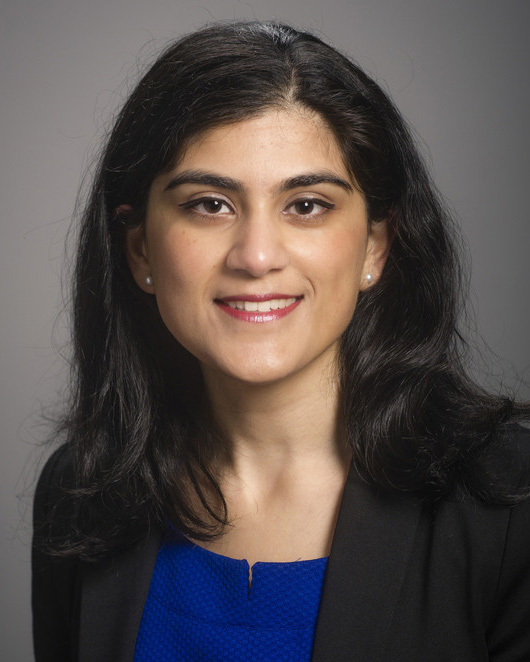
University of Alabama at Birmingham Medical Center
Dr. Sheetal Gandotra is a pulmonary physician who began her work at UAB in 2018. She received her medical degree from Saba University School of Medicine.
Leadership Team
Posted onBrian E Driver, MD
Oct 2022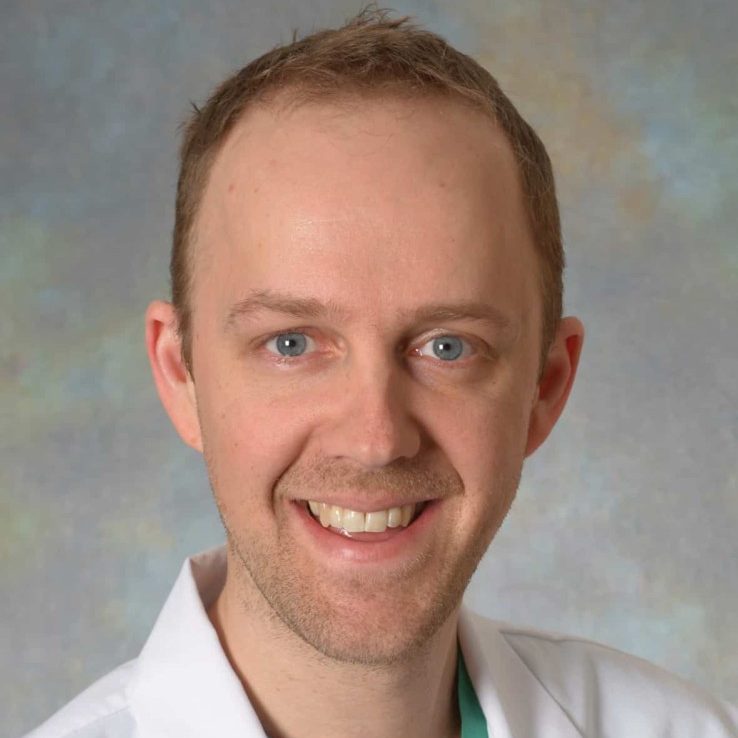
Brian E Driver, MD
Hennepin County Medical Center, Minneapolis, MN
Dr. Driver is board certified in both Emergency Medicine and Internal Medicine. He has expertise in caring for all acute illness and injuries, with particular interests in emergency airway management and metabolic disorders.
Leadership Team
Posted onMatthew E Prekker, MD MPH
Oct 2022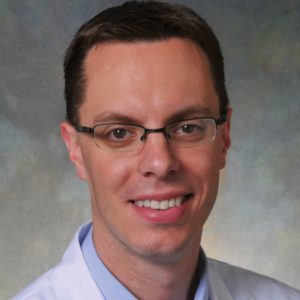
Matthew E Prekker, MD MPH
Hennepin County Medical Center, Minneapolis, MN
Through specialization in both Emergency Medicine and Pulmonary & Critical Care Medicine, Dr. Prekker provides acute care for patients in the Emergency Department and Medical ICU as well as maintaining a practice as a pulmonary consultant and clinic physician. He has special expertise in resuscitation from critical illness, including airway management, mechanical ventilation, and extracorporeal membrane oxygenation.
Leadership Team
Posted onStacy Trent, MD
Oct 2022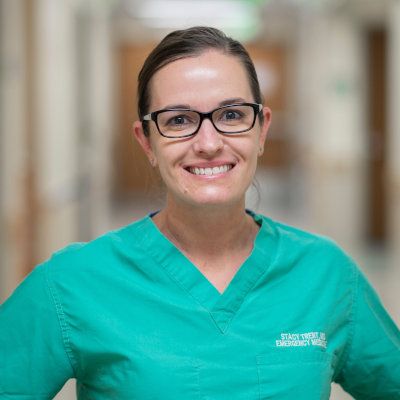
Stacy Trent, MD
Emergency Physician, Denver Health Medical Center, Denver, USA
Stacy A. Trent, MD, MPH is an emergency physician and Associate Director of Research in the Department of Emergency Medicine at Denver Health Medical Center. Dr. Trent’s is a federally-funded researcher whose work focuses on examining and mitigating variation in evidence-based care for airway management, sepsis, and acute coronary syndrome. Dr. Trent is a member of the executive committee for the Pragmatic Critical Care Research Group, is member of the NHLBI PETAL network serving as a site investigator for the CLOVERS study and is also a member of the NIH SIREN network.
Twitter: @drstrent
Secondary Analyses of Clinical Trial Results
Posted onBalanced crystalloid vs saline in adults with traumatic brain injury: secondary analysis of a clinical trial.
Sep 2022Journal: Journal of Neurotrauma
PMID: 35443809
Observational Studies
Posted onPredicting Mortality for Patients Eligible for Extracorporeal Membrane Oxygenation for COVID-19.
Sep 2022Journal: American Journal of Respiratory and Critical Care Medicine
PMID: 35549663
Past Trials
Posted onPREPARE Trial
Aug 2022Patients in the intensive care unit who require treatment with a breathing machine may develop serious problems with blood pressure or heart rhythm while the breathing tube is being placed. To learn whether problems with blood pressure or heart rhythms could be prevented by giving patients fluid through an IV, we led a research study called PREPARE. The PREPARE trial included 337 patients from 8 intensive care units and one emergency department. The trial found that giving fluid through an IV did not prevent seriously low blood pressure, but that the fluid might have been helpful for some patients receiving oxygen through a mask before the procedure (called “non-invasive ventilation”). These results suggested that IV fluid might prevent low blood pressure among patients on non-invasive ventilation prior to placement of a breathing tube And were the basis for the PREPAREII trial (described above).
Background: Tracheal intubation is common in the care of critically ill adults and is frequently complicated by hypotension, cardiac arrest, or death. We aimed to evaluate administration of an intravenous fluid bolus to prevent cardiovascular collapse during intubation of critically ill adults.
Methods: We did a pragmatic, multicentre, unblinded, randomised trial in nine sites (eight ICUs and one emergency department) around the USA. Critically ill adults (≥18 years) undergoing tracheal intubation were randomly assigned (1:1, block sizes of 2, 4, and 6, stratified by study site) to either an intravenous infusion of 500 mL of crystalloid solution or no fluid bolus. The primary outcome, assessed in the intention-to-treat population, was cardiovascular collapse, defined as a new systolic blood pressure <65 mm Hg; new or increased vasopressor receipt between induction and 2 min after tracheal intubation; or cardiac arrest or death within 1 h of tracheal intubation. Adverse events were assessed in the as-treated population. This trial, which is now complete, is registered with ClinicalTrials.gov, number NCT03026777.
Findings: Patients were enrolled from Feb 6, 2017, to Jan 9, 2018, when the data and safety monitoring board stopped the trial on the basis of futility. By trial termination, 337 (63%) of 537 screened adults had been randomly assigned. Cardiovascular collapse occurred in 33 (20%) of 168 patients in the fluid bolus group compared with 31 (18%) of 169 patients in the no fluid bolus group (absolute difference 1·3% [95% CI -7·1% to 9·7%]; p=0·76). The individual components of the cardiovascular collapse composite outcome did not differ between groups (new systolic blood pressure <65 mm Hg 11 [7%] in the bolus group vs ten [6%] in the no-bolus group, new or increased vasopressor 32 [19%] vs 31 [18%], cardiac arrest within 1 h seven [4%] vs two [1%], death within 1 h of intubation two [1%] vs one [1%]). In-hospital mortality was not significantly different in the fluid bolus group (48 [29%]) compared with no fluid bolus (59 [35%]).
Interpretation: Administration of an intravenous fluid bolus did not decrease the overall incidence of cardiovascular collapse during tracheal intubation of critically ill adults compared with no fluid bolus in this trial.
Funding: US National Institutes of Health.
Manuscript Title: “Effect of a fluid bolus on cardiovascular collapse among critically ill adults undergoing tracheal intubation (PrePARE): a randomised controlled trial.”
Journal: Lancet Respiratory Medicine
PMID: 31585796
Editorials
Posted onEmergency Tracheal Intubation: A Procedure in Need of Better Evidence.
Aug 2022Journal: American Journal of Respiratory and Critical Care Medicine
PMID: 35579619
Uncategorized
Posted onRSI
Aug 2022RSI Study Summary

Why was this study done?
Each year millions of seriously ill adults need life-saving treatment with a breathing machine. To safely place someone on a breathing machine (a procedure known as “intubation”), doctors give a drug to make the patient sleepy (known as a “sedative”).
The two “sedative” drugs given most often to seriously ill patients receiving a breathing tube in the United States are ketamine and etomidate. Both drugs are approved by the United States Food and Drug Administration (FDA).
Both are considered safe and effective. Both are given by doctors all the time. But it is not known which drug is best.
What is intubation and why do some patients need it?
Intubation means inserting a tube into a person’s windpipe so they can breathe with the help of a
machine called a ventilator. It’s done when patients are too sick to breathe well on their own — for example, during sepsis, pneumonia, heart failure, or after cardiac arrest.
Because it’s uncomfortable, patients are given a sedative to make them unconscious and prevent pain while the breathing tube is being placed.
What Drugs Were the Focus of the Study?
What Is Ketamine?
Ketamine is a drug that caus es a patient to feel very drowsy, blocking pain and making patients unaware of what’s happening. It’s sometimes used in emergency rooms because it can help keep blood pressure stable and doesn’t affect hormone production.
What Is Etomidate?
Etomidate is a drug used to make people unconscious before procedures like intubation. It usually doesn’t lower blood pressure much, which is good for sick patients. However, it can temporarily reduce the body’s ability to make cortisol, a hormone that helps the body handle stress — raising concerns it might increase the risk of death.
What Researchers Wanted to Know?
Does using ketamine instead of Etomidate for intubation in critically ill adults lower the chance of
dying in the hospital?
What Were the Demographics of the Study Participants
Baseline Characteristics of the Patients at the time of intubation
Age, years – median
Ketamine
60
Etomidate
60
Percentage of Patients in this Study
Female sex – %
Ketamine
42.3%
Etomidate
41.4%
Race/ethnic group – %
Non-Hispanic White
Ketamine
58.3%
Etomidate
59.4%
Non-Hispanic Black
Ketamine
25.8%
Etomidate
24.1%
Hispanic
Ketamine
11.1%
Etomidate
11.1%
Other
Ketamine
5.1%
Etomidate
5.4%
Baseline Characteristics of the Patients at the time of intubation
| Characteristic | Ketamine (N=1,176 Patients) | Etomidate (N=1,189 Patients) |
| Age, years – median | 60 | 60 |
Percentage of patients in the study
| Female sex – % | 42.3% | 41.4% |
Race/ethnic group – %
| Non-Hispanic White | 58.3% | 59.4% |
| Non-Hispanic Black | 25.5% | 24.1% |
| Hispanic | 11.1% | 11.1% |
| Other | 5.1% | 5.4% |
What Happened During the Study?
Researchers compared the two drugs in more than 2,300 critically ill adults who needed emergency intubation in emergency departments (EDs) or intensive care units (ICUs).
Half of the patients received ketamine and half received etomidate. Researchers follow patients for 28 days to see who survived and who had complications.
How Was the Study Done?
This was a randomized clinical trial, meaning patients were randomly assigned to get one of the two drugs, ensuring fair comparison. Doctors recorded patients’ blood pressure, heart rhythm, and need for medicines to support blood pressure during and right after intubation
Where Did the Study Take Place?
At 14 emergency departments and intensive care units in six major U.S. hospitals, including Denver Health, Hennepin Healthcare, University of Alabama at Birmingham, University of Colorado Hospital, Vanderbilt Health and Wake Forest Atrium Health.
Who Participated in the Study?
2,365 critically ill adults (average age 60)
- 47% had sepsis or septic shock
- 22% on medicines to increase blood pressure (vasopressors)
- About half were intubated in the ED and half in the ICU
How Long Did the Study Last?
Each patient was followed for 28 days after intubation, and the full study ran for about 3 years.
What Were the Results of the Study?
The study medicines did not affect whether patients survived or died from their critical illness. Ketamine caused patients to have lower blood pressuring during intubation.
Deaths by 28 days:
- Ketamine group: 28.1%
- Etomidate group: 29.1%
Heart and blood pressure problems during intubation:
- Ketamine group: 22.1%
- Etomidate group: 17.0%
The sedative etomidate is safe to use and, compared with ketamine, significantly decreases the risk of dangerously low blood pressure for critically ill patients undergoing intubation.
- No significant difference in survival.
Participating Sites




The RSI Study is a Patient-Powered Study. Guidance from patients helped to improve the patient-centeredness of the study outcomes, accessibility of study documents and the dissemination of study findings to a wider audience. Patient Partners with lived experience serve on the Study Steering Committee in a leadership capacity.
Want To Learn More About Critical Care Trials?
PCCRG is a network of doctors, nurses, respiratory therapists, researchers, and patient partners across the United States dedicated to improving outcomes for critically ill patients. PCCRG performed randomized trials to compare treatments that patients are receiving in clinical care and understand which treatments produce the best patient outcomes.
Where Can I Learn More About This Study?
ClinicalTrials.gov Identifier: NCT05277896
Contact: Dr. Jonathan D. Casey, Vanderbilt Health (jonathan.d.casey@vumc.org)
Funding: Patient-Centered Outcomes Research Institute (PCORI) and the National Heart, Lung, and Blood Institute
Patient Partners

Eileen Rubin
Co-founder of the ARDS Foundation, has served as President and CEO for over two decades. An attorney by profession, Ms. Rubin experienced a life-altering diagnosis in her early 30’s that resulted in a lengthy ICU stay and long road to recovery. Today, she is a well- known advocate for patients and their families serving in a variety of roles to help educate medical professionals and to improve and inform research. Ms. Rubin stresses, “Including the patient and family perspective is critical in medical research to ensure studies are designed from beginning to end with the patient in mind and with objectives focused on concerns, issues and endpoints of importance not only to advance medical research but also to include priorities of patients.” She has served in an advisory capacity for numerous organizations including the American College of Chest Physicians, the Society of Critical Care Medicine and the American Thoracic Society. She was also the lead investigator for a PCORI Pipeline to Proposal Award. Ms. Rubin is a Patient Stakeholder for the RSI Trial.
Sherman Transou
was an active business owner but in 2015 his life was changed when he learned that a virus was attacking his heart. Five months later he joined the growing community of transplant recipients and has embraced this opportunity to inspire and educate others in his community. In addition to serving on the Board of Directors for HonorBridge, he is an active advocate and leadership coach. Mr. Transou uses his experience to help research teams effectively connect with patients and their families. Mr. Transou is the Patient Stakeholder for Atrium Health Wake Forest Baptist.


Barbara Gould
is a COVID intubation and liver transplant survivor and has personalexperience with post ICU syndrome and PTSD. As a retired social worker, Ms. Gouldunderstands the importance of patients’ physical and mental health and has used herexperience to platform the needs of patients and families. She shared, “I strongly believethat medical research saves lives and that patient representation in that process isessential.” Ms. Gould has spoken with the media about her hospitalization with COVID to raise awareness. She currently serves as the Patient Investigator for the University of Colorado Anschutz and the University of Colorado Denver.
Patrick Luther
brings a wealth of knowledge to the RSI team as someone who has experience in advising the research enterprise at large, clinical trials in particular, and as a critical care survivor and former paramedic. Professionally, he works in nonprofit public health spaces developing and managing programs and community engaged research projects that address the needs of our most vulnerable while building their agency to take their place within research to change and improve it. His experiences provide insight into patient communication and troubleshooting for trial implementation. Mr. Luther is the Patient Stakeholder for Vanderbilt Health.


Jasmine McIntosh
is a young adult cancer survivor who is an active advocate in the community. She is passionate about health inequities and supports research that is working to improve outcomes for all patients. Her background in systems and technology is an asset to the RSI Trial. “I believe clinical trial research is important because for me personally, as a two-time cancer survivor with a rare gene, research has allowed me to be on the receiving end of innovative care. I am grateful for that access as not everyone has that same opportunity. Research helps to make it more accessible and to continue the work toward health equity.” Ms. McIntosh is the Patient Stakeholder for the University of Alabama, Birmingham.
Aida Strom
has served as an advocate in the American Indian community for over 19 years. She has spent her career building strong connections between the community, tribal government entities, hospital, and patients and their families. In addition to working with patients and researchers, she has extensive expertise in working with individuals and communities suffering from PTSD and has worked closely with numerous community organizations including the Minnesota Indian Women’s Sexual Assault Coalition. Ms. Strom’s broad experience with underrepresented communities and specific expertise advocating for them is an incredible asset to the RSI team. Ms. Strom serves as the Patient Stakeholder for the University of Minnesota Hennepin.

We want to know what you think about the RSI Trial
We want feedback from the community about research like this. Please share your opinions at: https://redcap.link/rsitrial
If you do not wish to participate in this study
If you do not want to participate in this research study should you become severely ill and need treatment with a breathing machine, contact us at Jonathan.D.Casey@vumc.org or 615-208-6139. We will send you a bracelet you can wear that will inform your medical team of your decision even if you are unconscious.
This work is supported through a Patient-Centered Outcomes Research Institute (PCORI) Project Program Award (BPS-2022C3-30021)
Observational Studies
Posted onAssociation between Availability of Extracorporeal Membrane Oxygenation and Mortality in Patients with COVID-19 Eligible for Extracorporeal Membrane Oxygenation: A Natural Experiment.
Jul 2022Journal: American Journal of Respiratory and Critical Care Medicine
PMID: 35212255
Secondary Analyses of Clinical Trial Results
Posted onBag-Mask Ventilation Versus Apneic Oxygenation During Tracheal Intubation in Critically Ill Adults: A Secondary Analysis of 2 Randomized Trials.
Jul 2022Journal: Journal of Intensive Care Medicine
PMID: 34898310
Results of Randomized Trials
Posted onEffect of Fluid Bolus Administration on Cardiovascular Collapse Among Critically Ill Patients Undergoing Tracheal Intubation: A Randomized Clinical Trial
Jul 2022Journal: JAMA
PMID: 35707974